Articles to help you understand, manage, and improve your health.
Peptide & Bioregulator
Trending Post
Festive
Autoimmune Condition
Unexplained Symptoms
Mental & Brain Health
Root Cause Analysis
General Health
Digestive Health
Hormone Health
All Blogs
Supplements
All Blogs
read count
read time
General Health
Jun 17, 2026
Are you drinking water wrong? The truth about hydration, minerals & water quality
You may be drinking enough water but still not be properly hydrated. Discover how minerals, electrolytes, RO water, and simple daily habits influence how well your body actually uses water.
Introduction
You drink your 8 glasses, carry a bottle everywhere, and tell yourself you're hydrated. But what if I say the way you're drinking water is working against your body?
This is one common question that keeps coming up again and again in our iThrive Tribe community groups and honestly, it's one of the most important health conversations you can ever have. As hydration isn't just about how much water you drink, rather it’s also about what kind of water, what's in it, and how your cells actually absorb it.
This blog will be diving deep into what kind of water you should drink, what’s in it and how your cells actually absorbs it.
Water is not just water
I’ll tell you something most of you would’ve never realised: plain water especially demineralised or RO purified water without any minerals is not the same as hydrating water.
Your cells don't just absorb water passively like a sponge. Water enters and exits cells through channels regulated by electrolytes which primarily sodium, potassium, magnesium, and chloride. These minerals are what actually pull water into the cell and keep it there. Without them, water flows right through you. You drink, you pee, and you're still thirsty… the loop is on and on.
Minerals such as calcium, magnesium, as well as potassium are essential not just for bones and muscles, but also for neuromuscular transmission, enzymatic activity, oxygen transport, and basic cellular function. In lay man language I can say without minerals, your body can't do much with the water you give it.
The problem with RO water
Reverse osmosis water purifiers like Kent RO and similar systems definitely does a fantastic job of removing contaminants, heavy metals, fluoride, and bacteria from drinking water. That part is honestly valuable, especially here in Indian cities where tap water quality is inconsistent.
But let me first talk about the catch: RO filtration strips everything including the naturally occurring minerals that make water beneficial. So basically what you're left with is very clean, very empty water.
Drinking demineralised water consistently, especially during summer or physical activity, can actually dilute your body's electrolyte balance. The result? You may be drinking plenty of water but still experiencing fatigue, brain fog, muscle cramps, or persistent thirst, which are all the classic signs of inefficient hydration.
The fix is simple: remineralise after purification.
Add a small pinch of Himalayan pink salt to your water bottle
Use a trace mineral supplement like Utah Sea Trace Minerals or BodyBio Minerals, available on iHerb just a few drops per litre
Add coconut water to your hydration routine, especially post-exercise.
Drop in a pinch of magnesium bisglycinate or use a magnesium-rich mineral supplement as magnesium plays a starring role in cellular energy production and muscle recovery
And no this is not about adding flavour. It's about turning water that your body will pass through, into water that your body can actually use.
The summer hydration trap
During summer, the stakes are higher than usual. Rising temperatures push your body into continuous fluid stress like you're sweating more, your blood vessels are dilating, and you're losing water and minerals at an accelerated rate. This is when poor hydration practices really start to show up.
What happens when you're sweating but only replacing fluid without minerals?
Electrolyte depletion I mean sodium, potassium, and magnesium drop, impairing every system that depends on them
Heat intolerance like your thermoregulation breaks down, making you feel the heat far more intensely
Brain fog and fatigue even mild dehydration impacts cognition and mood
Circulatory strain low plasma volume causes your heart to work harder, leading to dizziness and weakness
Cellular inefficiency your mitochondria need proper hydration to function and without it, energy production at the cellular level falters
The major takeaway here is that summer doesn't just increase your need for water, it rather increases your need for minerals. Hydrating smarter beats hydrating more.
How to actually drink water: Practical Habits
Beyond what you put in your water, how you drink matters too.
Sip, and please don't gulp. Drinking large amounts of water at once overwhelms your kidneys and passes through without being absorbed well. Sipping consistently through the day allows your cells to keep pace.
Drink water away from meals or at least don't flood meals with large quantities.
A small amount of water with food is fine, but large quantities can dilute digestive enzymes and stomach acid.
Morning hydration matters. After 7 to 8 hours of sleep, you wake up mildly dehydrated. Start your morning with a glass of mineral-rich or lightly salted water before coffee.
Listen to your body, never chase not the number just for the sake of it. The 8 glasses a day rule is a general guideline, and not a universal prescription. Your needs vary on the basis of your size, activity level, climate, and diet. Pale yellow urine is a good practical indicator of adequate hydration.
Eat your water too. Foods such as cucumber, watermelon, muskmelon, and citrus fruits are quite refreshing and they also deliver water alongside micronutrients and electrolytes that support absorption. In summer especially, these can prove to be your allies.
What about Kangen water and ionised water?
Kangen water machines have become popular in wellness circles, and there's a lot of marketing around their alkaline, ionised output. It's worth understanding what these machines actually do and offcourse what they don't.
Kangen machines work through electrolysis passing an electrical current through water to separate it into alkaline and acidic streams. Sources also claim this also structures the water, but this is where the science gets murky.
Water structuring is about the strength of hydrogen bonds between water molecules. Electrolysis, by its very nature, breaks hydrogen bonds to separate the water's components. Ionisation through electrical hydrolysis creates a water that may carry an electrical charge, but that charge doesn't equal molecular structure. The two are not the same thing.
There are also practical concerns:
The hydrogen infused by electrolysis is unstable and dissipates quickly, you need to drink it immediately after pouring for any potential benefit
The machines do not remineralise water; alkaline mineral compounds produced through the process may not be recognised by the body, and in people with suboptimal kidney function, could accumulate in tissues
Tap water TDS (total dissolved solids) significantly affects the machine's output so if the source water is too hard or too soft, the hydrogen concentration and machine performance both suffer
None of this means ionised water has no benefits, molecular hydrogen does have genuine antioxidant research behind it. But there are simpler, more stable, and far more affordable ways to get those benefits than a machine costing several lakhs. Adding trace minerals and focusing on clean, remineralised water gets you most of the way there.
If you're considering an alkaline or hydrogen water setup, the most important thing is to also remineralise whatever water you're drinking. Any RO system works fine as a base, just put the minerals back in after.
A simple hydration protocol to start today
You don't need expensive equipment. Here's what actually moves the needle:
Filter your water any good RO purifier handles contaminants well
Remineralise after filtering Himalayan pink salt, trace mineral drops, or coconut water
Sip through the day don't wait until you're thirsty, that's already mild dehydration
Prioritise minerals in summer add magnesium bisglycinate, eat hydrating foods, and consider a natural electrolyte drink
Start your morning right warm mineralized water before anything else
Rinse produce with ozone water if available, it's an effective way to remove pesticide residues and surface contaminants without adding chemicals to your food
Key Takeaway
Hydration isn’t about drinking more water. It’s about helping your cells actually use it.
If you’re still feeling tired, thirsty, bloated, dizzy, or experiencing brain fog despite drinking plenty of water, it may be time to look beyond quantity and focus on water quality, mineral balance, and hydration habits.
Start simple: filter your water, remineralise it, sip consistently, and support hydration with minerals and water-rich foods. Your body doesn’t just need water, it also needs the right environment to use it.
read count
read time
Peptide & Bioregulator
Jun 16, 2026
Semaglutide for Weight Loss: Does It Fix the Root Cause or Just Suppress It?
Semaglutide is transforming the conversation around obesity and weight loss. Learn how it works, its benefits, side effects, and whether it truly addresses the root causes of metabolic dysfunction.
Introduction
Obesity has come a long way from being classified as a disease of overindulgence or lack of willpower. Experts and researchers now recognize it as a complex chronic metabolic disease affected by many different factors including genetics, insulin resistance, inflammation, gut hormones, stress, sedentary behavior, and the environment around you. One of the most impactful therapies to enter the world of obesity and diabetes in recent years is Semaglutide.
With brands reaching almost every corner of the world at this point (Ozempic, Wegovy, Rybelsus, etc. ), Semaglutide has changed the entire dialogue around weight loss. To many on social media platforms, it’s seen as a magic injection that will melt away the pounds. To doctors and clinicians, it’s an incredible metabolic therapy that can help reduce many of the complications associated with obesity. But the million-dollar question remains… Does it really treat the cause of obesity or simply push the feelings of hunger far enough down that you begin to lose weight?
Well, it’s both yes and no. Semaglutide will without a doubt cause you to lose a significant amount of weight and improve many metabolic parameters. But obesity is a complex disease that goes far beyond feeling hungry. Let’s discuss what Semaglutide does and doesn’t do.
Understanding Semaglutide and How It Works
Semaglutide is classified as a glucagon- like peptide-1 receptor agonist (GLP-1 agonist). These drugs are synthetic versions of GLP-1 which is naturally secreted in the intestine when you eat. GLP-1 has various effects throughout the body such as decreasing appetite, stimulating insulin secretion, slowing gastric emptying, and lowering blood sugar levels.
Specifically, Ozempic is prescribed for type 2 diabetes, and Wegovy is prescribed for obesity. Rybelsus is another medication containing semaglutide that you can take as a tablet instead of getting injections.
The injection form of semaglutide became popular because you only have to take the medication once a week. When developing semaglutide, researchers modified the drug’s structure so that enzymes in your body would break it down slower. This allows semaglutide to stay in your body longer.
Semaglutide can decrease your appetite and increase feelings of fullness by directly acting on parts of your brain that control hunger, particularly the hypothalamus. It also decreases gastric emptying which means that food digests slower in your stomach. Lastly, semaglutide increases glucose-dependent insulin secretion.
Why Semaglutide Produces Significant Weight Loss
Calorie restriction increases hunger hormones, making you feel hungrier than usual. Your metabolism also starts to slow down as your body tries to preserve energy. With typical diets, this response makes long-term weight loss impossible for most people.
Semaglutide works differently than dieting by suppressing your appetite. Patients report:
Feeling less hungry
Getting full faster when eating meals
Feeling less desire to eat when stressed or sad
Snacking less
Mindlessly eating less
Instead of feeling starving all day, patients can create a calorie deficit without sacrificing their quality of life.
Scientists have studied semaglutide extensively in clinical trials. One study enrolled over 17,000 overweight or obese adults without diabetes. Dubbed SELECT, participants were followed for four years. Results showed that semaglutide led to sustained and clinically meaningful weight loss.
On average, patients lost:
10-12% of their bodyweight
Waist circumference
Cardiometabolic risk factors
Reached their weight loss goal and kept it off long-term
Up to 68% of participants lost ≥5% of body weight, and over 44% of study participants lost over 10% of their body weight . These results are significantly greater than typical lifestyle interventions.
Mode of Action of Semaglutide
Semaglutide is a GLP-1 receptor agonist that mimics the action of glucagon-like peptide-1 (GLP-1), which is an incretin hormone secreted from the intestine when you eat. Semaglutide’s chemical structure has been modified so that it is not easily broken down by enzymes, binds tightly to albumin proteins in your blood, can last longer in the body, and allows you to take the medication only once per week. When semaglutide binds to GLP-1 receptors located in your pancreas, brain, and gastrointestinal tract, it stimulates glucose-dependent release of insulin and decreases glucagon secretion. This helps lower your blood sugar levels. The semaglutide injection also delays stomach emptying and directly affects the areas of your brain that control hunger. It decreases appetite, cravings, and overall calorie consumption while promoting feelings of fullness. It also impacts brain pathways associated with reward eating which can help reduce emotional eating and binge eating. Overall, these effects lead to weight loss, increased insulin sensitivity, decreases in visceral fat, and reductions in cardiometabolic risk. Semaglutide vs tirzepatide: While semaglutide works by primarily acting on GLP-1 receptors, Tirzepatide works by activating both GLP-1 and GIP receptors.
Does Semaglutide Actually Address the Root Cause of Obesity?
But in order to understand this statement we must first understand what obesity truly is. Obesity is not just a disease of overeating. Many cases of obesity are characterized by faulty hormonal signals, insulin resistance, chronic inflammation, dysregulated satiety response, altered gut-brain axis signaling, and metabolic adaptation.
So yes, semaglutide does target many causes of obesity.
Helping to increase insulin sensitivity and normalize appetite signals allows semaglutide to help reverse some of the metabolic dysfunction that causes weight gain to occur in the first place. This is especially true for those with metabolic syndrome, prediabetes, or insulin resistance, as the majority of excess weight in these individuals is caused by hormonal issues.
Semaglutide also has the potential to increase the body’ sensitivity to its natural satiety signals. Many people with obesity are insensitive to these signals due to years of metabolic dysfunction. Instead of forcing yourself to eat less with willpower, patients on semaglutide often feel like hunger is just naturally diminished.
Beyond weight loss itself, semaglutide appears to help with many metabolic factors that lead to weight gain. Studies have shown the drug to reduce cardiometabolic risk factors, have anti-inflammatory effects, and benefits glucose metabolism. This further showcases that semaglutide is helping do more than just making people feel “less hungry.”
That being said, there are many factors that can contribute to obesity and semaglutide does not fix all of them.
Semaglutide and Improvements Beyond Weight Loss
Semaglutide is garnering so much interest in part because benefits seem to go well beyond weight loss. Losing weight alone does not appear to account for its wide-ranging metabolic effects.
Cardiovascular Protection
One of the biggest headlines coming out of semaglutide has been cardiovascular protection. In the SELECT trial, there was a 20% lower risk of major cardiovascular events in overweight/obese people without diabetes.
This matters because obesity substantially increases your risk of:
Heart attack
Stroke
High blood pressure
Hardening of the arteries
Semaglutide seems to lower your risk of these events due to favorable effects on inflammation, blood sugar, body fat composition, and blood vessels.
Improved Kidney Health
Semaglutide may also have beneficial effects on kidney health. This is supported by studies showing decreased albuminuria and slower loss of estimated glomerular filtration rate (eGFR), especially among diabetic patients or those with chronic kidney disease. This benefit may be partly due to improved blood sugar control. .
Better Glycemic Regulation
The drug remains one of the most effective therapies for type 2 diabetes management. By stimulating glucose-dependent insulin secretion, semaglutide helps lower HbA1c levels while simultaneously reducing body weight.
This dual benefit explains why Ozempic became globally popular before its widespread use in obesity medicine.
Potential Benefits in PCOS
Women with polycystic ovary syndrome (PCOS) frequently struggle with insulin resistance and obesity. Emerging evidence suggests semaglutide may improve:
Menstrual regularity
Insulin sensitivity
Weight reduction
Metabolic dysfunction associated with PCOS
This highlights the growing role of GLP-1 therapies in reproductive endocrinology.
Semaglutide Side Effects: The Risks Cannot Be Ignored
Despite its effectiveness, semaglutide side effects are important and should never be overlooked. The most common adverse effects are gastrointestinal. Many patients experience:
Nausea
Vomiting
Diarrhea
Constipation
Abdominal discomfort
Bloating
These side effects are most commonly seen at the time of dose escalation and often resolve with time. Nevertheless, some patients stop treatment due to intolerance.
Discussion has also been rising around potential psychiatric effects. Nonetheless, research has not confirmed any causality between GLP-1 agonists and suicidality.
Weight loss itself can cause loss of muscle/muscle mass or nutritional deficiencies if diet is not well maintained.
Semaglutide vs Tirzepatide: Which Is Better?
Semaglutide vs tirzepatide has been a hot topic in obesity medicine lately. Tirzepatide is different from semaglutide in that it binds to GLP-1 receptors and glucose-dependent insulinotropic polypeptide (GIP) receptors. GIP receptor agonism seems to increase weight-loss efficacy and metabolic benefits. Preliminary data show tirzepatide may:
Produce greater average weight loss
Improve insulin sensitivity further
Offer stronger renal protection
Potentially improve bone remodeling pathways
However, semaglutide remains one of the most thoroughly studied obesity medications currently available, particularly regarding long-term cardiovascular outcomes.
The choice between semaglutide vs tirzepatide ultimately depends on:
Patient tolerance
Cost and accessibility
Physician recommendation
Comorbid conditions
Individual response to therapy
The Growing Demand for Semaglutide India
Semaglutide India news is beginning to bubble up as more and more people struggle with obesity and type 2 diabetes nationwide.
India’s metabolic disease burden is unique as South Asians tend to develop insulin resistance and visceral adiposity at lower BMIs than those in the west. Meaning that the risk for diabetes, heart disease, and metabolic syndrome affects many who are not “clinically obese.”
Coupled with rising awareness that prescriptions of Ozempic and Rybelsus are becoming more common sights in doctors offices and hospitals across India, you’ll begin to see why everyone is talking about semaglutide.
Affordability will be a struggle for many in the long run, as chronic therapy can be costly and many insurance companies do not cover obesity as a valid reason for treatment. Additionally, some worry about the drug being abused by patients taking it recreationally for cosmetic purposes with no official metabolic work up.
“The hope is that providers will prescribe semaglutide as part of metabolic management under their care instead of using it as a shortcut to weight loss without any medical supervision,” say doctors across India.
Key Takeaway
Semaglutide is without a doubt one of the most significant innovations in the field of obesity and metabolic medicine in the past few years. This treatment has sparked movement away from archaic ideas surrounding obesity treatment, such as “willpower drugs” and towards embracing what we know about physiology: metabolic disease and weight are regulated by complex biological systems.
Semaglutide does more than tell your brain you’re full. Beyond simply decreasing hunger, it enhances insulin sensitivity, fine-tunes the hormones and neuronal pathways involved in feeling full, decreases cardiometabolic risk, and consistently produces weight loss. In doing this, semaglutide targets biological factors that many patients cannot address with lifestyle changes alone.
However, semaglutide is not a magic bullet for obesity. While it has myriad benefits for metabolism, semaglutide does not directly counteract a sedentary lifestyle, stressful lifestyle, poor dieting habits, or an obesogenic environment. If patients take semaglutide without modifying their behavior, they will not see lasting results or improve their health in the long term.
Semaglutide should ideally be viewed as just that: a tool. A tool to be used in conjunction with lifestyle changes to empower patients to take control of their health and prevent metabolic disease.
If you want to know more about peptides, do read:-
Falling sick every time the weather changes? These 3 peptides could change the way your immune system responds
Weather changes can leave some people battling one viral infection after another. Learn how Thymosin Alpha-1, LL-37, and TB-500 are being explored for immune resilience, recovery, and supporting the body’s natural defense systems.
Introduction
Every monsoon, the same story keeps repeating. A colleague gets extremely drenched in the rain and shows up perfectly fine the next day. Someone else spends just a couple of minutes in the same weather and suddenly they’re battling a sore throat, body aches, fever, congestion, as well as exhaustion that lingers for days.
So if this sounds familiar, let me tell you the problem is not the rain rather it’s your immune system.
Seasonal changes have always challenged the body, but I’ve observed that in recent years, many people including me feel like we are falling sick more often than ever before. One viral infection blends into another by default and recovery takes longer than usual. Energy never fully returns and antibiotics become a regular part of life.
This is exactly why conversations around immunity peptides have exploded over the past few years and also one of the reasons I’m here again with a blog. More people now are looking far beyond symptom management and asking a deeper question:
Why does my body keep struggling to defend itself?
So before we dig into the specific peptides, let’s start with the basics.
What are peptides and what do peptides do?
If you’ve been searching this online for a while, you’ve probably come across terms such as peptide therapy, regenerative peptides, or even immunity peptides.
But what exactly are peptides?
Peptides are short chains of amino acids that act as messengers inside the body. They help cells communicate with one another and also regulate important functions such as healing, recovery, inflammation control, hormone balance, and also immune function.
You can simply think of peptides as biological instructions. They never force the body to do something unnatural. Instead, they just signal the body to perform processes it has already been designed to perform.
This is the only reason peptide therapy has attracted so much attention in functional and regenerative medicine. So basically different peptides have different jobs. Some support tissue repair, some help regulate inflammation, some support gut health, and some also play a direct role in immune function.
Why do some people catch every viral infection going around?
One thing that I’ve got to know about readers is that most of you’ll think about immunity, and imagine white blood cells fighting off germs. But let me be frank, immunity is far more complex than that.
Your immune system is influenced by a cluster of factors such as sleep quality, gut health, blood sugar balance, recovery capacity, stress levels, nutrient status, and chronic inflammation.
Since 2019, we've worked here at iThrive with thousands of clients through functional nutrition and one pattern that has appeared repeatedly is as follows:-
The people who get sick most often are rarely dealing with “bad luck.” More often, it’s their bodies that are carrying underlying stressors that quietly weakens immune resilience over time.
Our nutritionists commonly see such issues as chronic stress, low vitamin D levels, persistent inflammation, poor sleep, gut dysfunction, as well as blood sugar imbalances.
All of these can make the immune system comparatively less effective and slower to respond when viral infections appear.
Before we talk about peptides, let’s clear up one common myth.
Are peptides steroids?
When I was researching peptides one of the most searched questions online is: are peptide steroids?
The answer is a big NO.
Peptides and steroids are entirely different things. Steroids are nothing but hormones or rather hormone-like compounds that have a direct influence on specific physiological processes.
Peptides are signaling molecules made from amino acids. Their role is to communicate with cells and encourage natural biological processes.
While both are utilized in medical settings, peptides do not work through the same mechanisms as anabolic steroids. So understanding this distinction is very important because many of you avoid learning about peptides just because you assume they’re another form of steroid.
What makes immunity peptides different?
Let’s get one thing very clear that not every peptide is specifically designed for immunity. The peptides that will be discussed in this blog are gaining a lot of attention because of their potential roles in immune regulation, antimicrobial defense, and yes recovery as well.
Thymosin Alpha-1: The Immune System Coach
If there is a single peptide that has generated massive interest for immune health, it has to be none other than Thymosin Alpha-1.
Thymosin Alpha-1 is a naturally occurring peptide which is produced by the thymus gland, an organ that plays a major role in immune system development. So as you age, thymus function naturally declines. That specific decline can affect how efficiently the immune system responds to challenges.
Thymosin Alpha-1 works by supporting immune regulation, particularly through its effects on T-cells and other immune signaling pathways. So rather than simply boosting immunity, it also helps the immune system respond more intelligently and in fact effectively.
This is one reason why Thymosin Alpha-1 has been explored in areas involving immune dysfunction, recurrent infections, and viral illnesses. So much so that we here at iThrive have already started the 3 days course of this injectable booster so we don’t get sick this monsoon.
Thymosin Alpha-1 Injection
The most common delivery method is a Thymosin Alpha-1 injection, which typically has to be administered under professional supervision. As peptide protocols vary significantly from person to person, dosing as well as administration should always be well guided by a qualified healthcare practitioner.
How to reconstitute Thymosin Alpha-1
Most of you researching peptide therapy eventually search for how to reconstitute Thymosin Alpha-1. Let me tell you this process usually involves combining the peptide with bacteriostatic water before administration. However, peptide preparation, storage, and administration requires proper training and should never be approached casually or without medical guidance.
LL-37: Your body’s natural antimicrobial shield
Umm okay in lay man language if Thymosin Alpha-1 acts like a coach for the immune system, LL-37 functions more like a defender.
LL-37 is an antimicrobial peptide which is naturally produced by the human body. It forms part of our innate immune system, which is the body’s first line of defense against invading pathogens.
Scientists have studied LL-37 because of its role in antimicrobial defense, inflammation control, immune regulation, and majorly tissue repair.
One reason LL-37 is so fascinating is that the body already produces it naturally. Researchers continue exploring how supporting these natural pathways contributes to better immune resilience.
During periods of increased viral exposure, interest in LL-37 mostly rises because of its role in helping the body recognize and respond to potential threats.
TB-500: recovery matters too
Most of the discussions about immunity focus only on prevention but recovery matters just as much. Every infection creates a lot of inflammation and every illness demands repair, and with that every recovery process requires resources.
This is exactly where TB-500 enters the conversation. Amongst the most discussed TB-500 uses are tissue repair, recovery support, and inflammation management as well. TB-500 is derived from a naturally occurring protein called thymosin beta-4, that plays a role in healing and regeneration.
Researchers have explored its potential involvement in:
The potential involvement of TB-500 is majorly in tissue repair, cellular migration, recovery processes, and inflammation regulation.
While TB-500 injections are mostly discussed in sports medicine and injury recovery circles, many practitioners also view recovery support as an important component of overall resilience. After all, a body that recovers well often performs better during future challenges.
If you’re completely new to the world of peptides, our Bioregulators Guide for Beginners can help you understand how different peptide categories fit into a broader health and longevity strategy.
The case that changed how we think about seasonal immunity
Just yesterday, a client came to one of our functional nutritionists Aakansha with a lot of frustration saying that I get viral every single time the weather changes.
And honestly, it wasn’t an exaggeration. Every rainfall season means another fever for us and off course another course of antibiotics, another week of missed work, and another period of feeling completely drained.
Initially, he assumed he simply had poor immunity but when our team looked deeper, a completely different picture emerged. He was dealing with chronic stress, his sleep quality was poor, and his Vitamin D levels were extremely low.
Another factor involved that inflammation markers were elevated, and recovery capacity was compromised. Saloni and the team then worked on his case from multiple angles, nutrition was addressed, lifestyle factors were corrected, and most importantly sleep became a priority.
And as part of a carefully supervised plan, Thymosin Alpha-1 was then introduced. The goal was never to suppress symptoms, rather the goal was to help the body become more resilient. Over time, the frequency of infections reduced majorly and recovery became much faster whenever illness occurred.
The lesson was quite simple and sometimes immunity isn’t weak.
Why we don’t believe in one-size-fits-all peptide protocols
One of the biggest mistakes happening in the peptide landscape right now is the assumption that everyone needs the same protocol. Quite honestly, they don’t.
Here at iThrive, every case is reviewed individually. Our certified functional nutritionists work together to understand the entire picture before making any recommendations. We’ve been working in the functional nutrition space since 2019 and one thing has become very clear since then is that:
Two people with similar symptoms can have completely different root causes. One person might need immune support, and another might need gut healing. Third, I might need stress reduction before anything else. This is why every peptide recommendation starts only with a conversation, not a prescription.
Who should consider exploring immunity peptides?
While peptide therapy is never a replacement for nutrition, sleep, movement, and stress management, certain individuals might choose to explore it under professional guidance.
This includes people who fall sick repeatedly throughout the year, recover slowly after illness, frequently travel and face high exposure environments, struggle with seasonal viral infections, experience chronic stress, or want additional support for immune resilience.
The key is understanding whether your immune system truly needs support and what type of support would be most appropriate.
Before you start any peptide
Peptides are powerful tools, but they are not magic solutions. No peptide can compensate for factors such as poor sleep, chronic stress, nutritional deficiencies, or an unhealthy lifestyle.
They should never be self-prescribed on the basis of social media trends or internet recommendations and that’s why a proper assessment matters. The right peptide for the wrong person can be just as ineffective as the wrong peptide entirely.
This is why understanding your biology always comes before choosing a protocol.
Key Takeaway
If you’re tired of feeling like every weather change comes with another fever, another antibiotic prescription, or another week of exhaustion, it may be time to look deeper. Your immune system is not simply a collection of cells fighting viruses.
It’s a reflection of your nutrition, stress levels, recovery capacity, inflammation status, and overall health. Peptides such as Thymosin Alpha-1, LL-37, and TB-500 have generated significant interest because they support different aspects of resilience, recovery, and immune function.
read count
read time
Autoimmune Condition
Jun 11, 2026
Why Your Bloating Is Not Normal: The Hidden SIBO Connection Behind Fatigue and Brain Fog.
You've tried cutting out dairy. You've gone gluten-free. You've sipped on herbal teas and popped digestive enzymes - yet the bloating keeps coming back. And lately, it's not just your stomach. You're exhausted for no clear reason, struggling to focus, and walking around in a mental haze that won't lift.
Introduction
We at iThrive have observed there is entirely another level of frustration in the clients that comes with gut issues.
Our clients often mention that they eat simple, something that will be light on the gut, yet within a couple of minutes their stomach feels stretched, unrecognisable, and heavy. By afternoon, their energy crashes for no reason. Then comes the brain fog, that strange mental cloud wherein thinking feels very slow, words don’t come easily, and even the smallest of decisions feel really exhausting.
If you’ve been there, you might have tested, everything would have looked “normal”, you might have told it’s acidity or maybe stress. But one thing that’s for sure is no one would have ever explained why your body feels like it’s working against you. For many people like you, this is exactly where the entire story of small intestinal bacterial overgrowth quietly initiates. The condition is not discussed appropriately, and majority of the times it’s misunderstood and further even mismanaged.
For that we are here. This blog will not be just about the symptoms of SIBO. It will mainly be about understanding why the symptoms exist in the very first place, and why unless you address the root, they will keep backing you.
What Is Small Intestinal Bacterial Overgrowth and Why It Matters
When Bacteria Exist in the Wrong Place
Small intestinal bacterial overgrowth is not really about having “bad bacteria.” It’s rather about having bacteria in the wrong location. So basically, your large intestine is specifically designed to house trillions of microbes, but your small intestine isn’t. It’s meant to be somewhere relatively low in bacterial density so that the absorption of nutrients and digestion can happen efficiently. So, when the bacteria migrates upward into the small intestine, they start interacting with the food even before your body gets a chance to absorb it.
And this is exactly where the problem begins.
Why This Shift Changes Everything
The small intestine is where the nutrients enter your bloodstream. If bacteria interfere here, you’re not just dealing with the digestive discomfort, but you’re also dealing with systemic consequences.
This is truly why SIBO symptoms rarely stay limited to the gut. They also show up as cognitive issues, mood changes, nutrient deficiencies, and even fatigue.
SIBO Bloating Is Not Just Gas. It Is Misplaced Fermentation
What Actually Happens After You Eat
In a healthy digestive system, carbohydrates are broken down and then absorbed before they reach the colon. In SIBO, bacteria in the small intestine start fermenting these carbs too early. This premature fermentation produces gases like methane and hydrogen.
Why the Bloating Feels So Intense
The small intestine isn’t built to handle large volumes of gas. As pressure keeps building, the abdomen also starts expanding. This is why SIBO bloating often feels quite disproportionate to what you consume. It’s not really about the quantity, it’s rather about the location.
Methane dominant SIBO, is specific, slows down the movement of the gut. This then develops a cycle wherein food stays longer, fermentation maximises, and even bloating becomes persistent rather than occasional.
Why SIBO Causes Fatigue That Does Not Make Sense
The Hidden Nutrient Theft
One of the least understood SIBO causes of fatigue is nutrient competition.
One of the most least understood and talked about SIBO causes of fatigue is nutrient competition. The bacteria in your small intestine are not passive, they in fact actively consume nutrients from your food, specifically vitamin B12, magnesium bisglycinate, and iron.
These are not optional nutrients, they are in fact central to mitochondrial energy production. So, when your cells don’t get what they need, energy drops not gradually but noticeably.
Malabsorption Changes Everything
Beyond competition, SIBO disrupts digestion of fat by potentially interfering with bile acids. This eventually affects absorption of fat soluble vitamins like A, D, E, and even K.
You might be eating well, supplementing well, and still feel really depleted, because the issue is not about intake, it’s just about absorption.
The Mitochondrial Response
When the body senses ongoing inflammation, it eventually prioritises survival over energy. This is the part of what is known as the cell danger response. Mitochondria reduces output to protect the system. This is exactly why SIBO fatigue feels so different, it’s not about your tiredness, it just feels like your system has entirely slowed down at a cellular level.
The Real Reason Behind SIBO Brain Fog
The Gut Brain Connection Is Not Abstract
SIBO brain fog isn’t psychological, it’s biochemical.
When bacterial overgrowth damages the intestinal barrier, toxins such as lipopolysaccharides enter the bloodstream. This specific state is known as metabolic endotoxemia. These toxins can eventually reach the brain and trigger inflammation.
When the Brain Feels Clouded
This inflammation affects neurotransmitter neural signalling as well as balance. Clients here at iThrive have often described themselves as feeling disconnected, very slow, or unable to focus. Tasks that once felt very simple begin to feel like taking a lot of effort.
And trust me when I say, it’s not in your head. It is coming straight from your gut.
The Role of Ammonia and Histamine
Certain bacterial strains produce ammonia, which in excess becomes neurotoxic. Others produce histamine, which can then overwhelm the ability of your body to break it down.
This is why SIBO brain fog is often accompanied by poor sleep, anxiety, and unexplained restlessness.
The Root Cause Most People Miss: Your Gut’s Cleaning System
Understanding the Migrating Motor Complex
Your gut has a built-in cleaning mechanism that is called the migrating motor complex. It works between meals, sweeping residual food and bacteria out of the small intestine.
What Disrupts This System
Frequent snacking avoids this cleaning wave from completing. Chronic stress keeps your body in a specific state wherein digestion is deprioritised. Low stomach acid minimises the initial barrier that controls the bacterial entry. Over time, the small intestine becomes a place wherein bacteria can accumulate and thrive as well.
Why This Matters More Than Diet Alone
You can follow the most perfect SIBO diet and still never recover if motility isn’t really restored because if the environment doesn’t change, the overgrowth returns.
SIBO Causes Are Rarely Just One Thing
A Pattern Seen Repeatedly
In real practice, SIBO rarely develops in isolation. It’s usually the result of multiple small disruptions over the time. A history of frequent antibiotics, irregular patterns of eating, thyroid dysfunction, low stomach acid, and chronic stress. Each of these factors weakens an entire different part of the digestive system.
Why Conventional Approaches Often Fall Short
Treating SIBO with antibiotics alone might reduce the bacterial load temporarily. On the contrary if the underlying causes are not addressed at all, the condition relapses. This is where a deeper approach becomes mandatory. Here at iThrive, we focus on understanding the entire picture via a Book a Root Cause Analysis because symptoms are rarely the beginning of the entire story.
What SIBO Treatment Actually Requires
It Is Not Just About Killing Bacteria
Effective SIBO treatment has 3 major parts. Reducing the overgrowth, restoring the but motility, and repairing the gut lining as well as the environment.
Focusing on just one isn’t really enough.
Strategic Nutritional Approach
A SIBO diet isn’t about restriction at all for the sake of it. It’s about temporarily reducing fermentable substrates so that bacteria are not constantly fed. At the very same time, the body needs nourishment to heal. This specific balance is often where the people struggle on their own.
Supporting the Body, Not Just Targeting the Problem
Botanical antimicrobials, when utilised correctly, can help in reducing bacterial load without potentially disrupting the entire microbiome. Motility support via meal spacing permits the natural cleaning system of the gut to restart and targeted nutrients help in repairing the damage that has been already done.
When to Consider Testing
The Role of the SIBO Breath Test
A SIBO breath test effectively measures gases including methane and hydrogen after consuming the test substrate. It helps in identifying the presence and the overgrowth type. However, it’s not perfect. Results need to be interpreted in context.
Why Testing Alone Is Not Enough
A test can confirm SIBO, but it can't explain why it is developed. This is why we always combine testing with deeper evaluation via a Book a Root Cause Analysis to understand various triggers such as stress patterns, gut infections, as well as nutrient deficiencies.
A More Real Way to Look at SIBO
If you’ve also been dealing with unexplained fatigue, bloating, or brain fog it’s easy to feel like your body is unpredictable or even overly sensitive. But in reality, your body is responding exactly as it should to an environment that’s not working in your favour.
Always know SIBO is not random, it is a consequence. Once you understand the mechanisms, you stop chasing the symptoms and start addressing the system.
Key Takeaway
Small intestinal bacterial overgrowth isn’t just a digestive issue. It’s a systemic condition that eventually affects how you absorb nutrients, how your brain functions, and how your cells produce energy. The bloating you experience after meals, the fatigue that doesn’t match your lifestyle, and the brain fog that makes daily tasks harder are all interconnected through the same underlying process.
Real recovery initiates when you stop looking at these symptoms in isolation and start understanding why the overgrowth developed in the very first place. When the root is addressed potentially, the body has the capability to recalibrate, and that specific shift is often the difference amongst temporary relief and long term change.
If this feels quite familiar to you, you are not imagining it, and more importantly you’re not stuck with it.
read count
read time
Hormone Health
Jun 10, 2026
Did You Know Poor Sleep Can Trigger Weight Gain Hormones Overnight
We live in a world that glorifies hustle culture - late nights, early mornings, and the belief that sleep is a luxury. But what if those lost hours of rest are quietly working against your weight loss goals?
Introduction
Many people believe weight gain happens slowly through diet or inactivity. While these factors certainly influence body weight, an often overlooked driver of metabolic imbalance is poor sleep.
Sleep is not simply a period of rest. During the night, the body performs critical metabolic repairs that regulate hunger hormones, insulin sensitivity, and energy balance. When sleep quality becomes disrupted, these biological processes can change within a single night.
Studies on sleep deprivation and weight gain show that even short periods of poor sleep can alter appetite hormones such as ghrelin and leptin. Ghrelin stimulates hunger while leptin signals satiety. When sleep becomes fragmented or shortened, ghrelin levels rise while leptin declines. This imbalance often increases cravings for high calorie foods the following day.
Beyond hunger signals, poor sleep hormones and weight gain pathways involve deeper metabolic changes. Cortisol levels increase when the body perceives stress or sleep loss. Elevated cortisol encourages fat storage, particularly around the abdomen.
At the cellular level, mitochondrial function also plays a critical role. Mitochondria regulate energy production and metabolic signaling. When sleep becomes inconsistent, mitochondrial efficiency declines, reducing the body’s ability to perform overnight metabolic repair.
At iThrive Alive we often see individuals struggling with stubborn weight gain despite healthy diets. In many cases the underlying driver is not just food choices but disrupted sleep biology. Understanding how sleep and weight gain interact can help individuals fix sleep to lose weight naturally rather than relying only on restrictive dieting.
The Overnight Metabolic Reset That Happens During Sleep
Why Sleep Is Critical for Metabolic Repair
Sleep is a metabolically active state. While the body appears still, several hormonal and cellular systems become highly active.
Growth hormone release increases during deep sleep and supports fat metabolism. The brain also regulates appetite hormones that influence hunger the next day. At the same time mitochondria repair cellular damage accumulated during daily metabolic activity.
When sleep duration falls below optimal levels these processes become impaired. The body may wake up in a metabolic state that favors hunger signals, insulin resistance, and fat storage.
Research summarized in the white paper “Mitochondrial Dysfunction Sleep Deprivation Sleep Disorders” highlights how disrupted sleep reduces mitochondrial energy efficiency. Lower energy production can alter glucose metabolism and increase the risk of weight gain.
How Sleep Deprivation Alters Hunger Hormones
Ghrelin and Leptin Imbalance
The Hunger Hormone Shift
Ghrelin is often referred to as the hunger hormone because it stimulates appetite and food seeking behavior. Leptin performs the opposite function by signaling fullness to the brain.
Even one night of poor sleep can alter the balance between these hormones. Research shows that sleep deprivation and weight gain are closely linked through this hormonal disruption.
When sleep becomes insufficient ghrelin levels increase significantly. At the same time leptin levels decline, reducing the body’s ability to recognize satiety.
The Behavioral Consequences
This hormonal shift often results in increased cravings for calorie dense foods the next day. Many individuals notice stronger cravings for sugar and processed carbohydrates following poor sleep.
These cravings are not simply psychological. They reflect genuine biological changes in appetite regulation.
The Role of Cortisol in Sleep Related Weight Gain
Cortisol and Weight Gain from Sleep Loss
Sleep loss activates the body’s stress response. When sleep becomes fragmented or insufficient, the hypothalamic pituitary adrenal axis increases cortisol production.
Cortisol prepares the body for alertness and energy mobilization. However, chronically elevated cortisol encourages fat storage and increases blood sugar levels.
Individuals experiencing insomnia and weight gain often show elevated cortisol patterns particularly during the evening hours when cortisol should normally decline.
Metabolic Consequences
High cortisol can also impair insulin sensitivity. When cells become less responsive to insulin signals, glucose remains elevated in the bloodstream.
This metabolic state encourages fat storage and increases the risk of insulin resistance and poor sleep cycles.
Mitochondrial Dysfunction and Overnight Metabolic Repair
Why Cellular Energy Matters for Weight Regulation
Weight regulation depends heavily on mitochondrial function. Mitochondria determine how efficiently the body converts nutrients into energy.
During sleep these cellular structures perform essential repair processes. Damaged mitochondrial components are replaced and oxidative stress is reduced.
When sleep becomes disrupted this repair process becomes incomplete.
Reduced Metabolic Efficiency
Impaired mitochondria produce less cellular energy. As energy production declines the body may rely more heavily on glucose metabolism and store excess energy as fat.
This is one reason individuals experiencing sleep deprivation and weight gain often struggle to lose weight despite dietary changes.
Supporting Mitochondrial Recovery
Lifestyle interventions such as consistent sleep timing, stress regulation, and nutrient support can improve mitochondrial resilience.
Magnesium for sleep and weight loss support is often discussed because magnesium contributes to both nervous system relaxation and cellular energy production.
Key Takeaway
Sleep is far more than a nightly pause in activity. It is a biological window during which the body recalibrates hormones that control hunger, metabolism, and energy balance. Even a single night of disrupted sleep can alter ghrelin and leptin levels, increase cortisol production, and impair mitochondrial repair processes. Over time these changes create a metabolic environment that favors weight gain despite conscious efforts to maintain healthy eating habits. Addressing sleep quality is therefore a critical component of long term metabolic health. By restoring circadian rhythm, supporting mitochondrial function, and stabilizing hormonal signaling, individuals can rebuild the biological conditions necessary for sustainable weight regulation and overall wellbeing.
An intense study over how Vitamin D supplementation helps in COVID-19 recovery
You recovered from COVID but never quite felt like yourself again. Persistent fatigue, breathlessness, and low energy may not be random. This blog explores how Vitamin D deficiency quietly affects recovery and what your body truly needs to heal.
Introduction
You tested negative. The fever broke. The isolation was over.
You were tested negative back then, their fever broke, the isolation was over. But now years later, you are still exhausted by noon, still breathless climbing a flight of stairs, and still waiting to feel completely like yourself again. If this sounds familiar, you aren’t alone in this journey. We have many clients here at iThrive, who come to us complaining of similar symptoms, and we always check their Vitamin D deficiency and treat that first.
What many of you did not know and what research is now making increasingly hard to ignore is that a humble nutrient most of us have been deficient in for years plays a significant role. Not just in fighting the virus, but in how well and how fast the body actually recovers from it.
This blog will discuss that deficiency in detail and make you aware as to how that affects the functioning of the body.
What We Actually Know About Covid-19 and Who Hit The Hardest?
The Coronavirus (COVID-19) pandemic has affected a lot of people all over the world. It was caused by severe acute respiratory syndrome coronavirus 2 (SARS-Cov-2). In December 2019, the virus was initially recognised in the Chinese city of Wuhan, and it quickly spread around the world. Fever, significant asthenia, and a dry cough are common symptoms, which can escalate to more serious presentations such as deadly acute respiratory disease syndrome (ARDS).
The majority of infected patients suffer from mild to moderate respiratory infection and recover without the need for specific treatment. Some persons who are infected have serious illnesses and require medical intervention. Old aged people are at high risk for covid-19 infection. Pneumonia, myocarditis, ARDS, and inflammation in which the body responds quickly to invaders, destroying its own immune cells, influence the severity of Covid-19.
Why Vitamin D Showed Up in The Research Nobody Expected?
People with underlying medical disorders such as diabetes, cardiovascular disease, lung disease, or cancer are more prone to experience serious illness.1 Apart from all these medical conditions, in a recent genomics-guided tracing of the Covid-19 targets in humans, vitamin D supplementation was found as one of the top-scoring substances suggesting probable infection reducing patterns.
How Vitamin D Helps The Lungs Fight Back Against Covid-19
The Role of ACE2 Receptors And Why They Matter In Respiratory Illness
Angiotensin-converting enzyme 2 (ACE2) is a membrane protein expressed particularly in lung cells. It helps the body from inflammatory damages. In contrast, coronavirus binds to ACE2 receptors to gain entry in a cell. This process causes downregulation of ACE2 and helps coronavirus to invade the cells and causes severe respiratory illness.2
The effect of Vitamin D supplementation towards respiratory illness has shown good response. A study carried out on mice with chronic ARDS showed that administration of Vitamin D has decreased the symptoms of the illness. It was seen that Vitamin D on administration showed increased expression of ACE2 and thereby moderating the chronic symptoms.3
The Inflammation Problem in Covid-19 And How Vitamin D Steps In
What Happens When The Cytokine Response Goes Out of Control
The activation of the immune system's inflammatory pathways is required for a normal antiviral immune response. When immune cells come into contact with pathogens, they create cytokines also known as pro-inflammatory cytokines which are secretory proteins. These cytokines aid in the removal of infectious particles, decreasing injury. If this immune system's response is abnormal, it can cause severe disease if left unchecked.4
How Vitamin D Helps Regulate This Immune Overreaction
Vitamin D supplementation (800-1000 IU) has been shown to have anti-inflammatory properties in addition to its role in calcium metabolism. The effects of vitamin D on a highly triggered immunological response were investigated in a study. Vitamin D has been discovered to decrease cytokine synthesis in immune cells. Vitamin D activity may be crucial in preventing Covid-19 infection, as patients with severe Covid-19 sickness have been found to have Vitamin D deficiencies. The severity of Covid-19 infection rises due to immune cells' aggressive secretion of pro-inflammatory cytokines in response to infection. This implies that vitamin D supplementation may assist patients cope with the cytokine storm that is common in Covid-19 infection.5
If you have already recovered from Covid-19 but still don’t feel right, the immune dysregulation or that lingering fatigue is not random. It usually points to something deeper that was already off even before the virus arrived. A Root Cause Analysis can be beneficial for you in identifying the exact reason what your body is dealing with underneath the surface.
Vitamin D Does Not Just Support Immunity, It Directly Fights Viruses
Cathelicidin, Defensin And The Body’s Own Antiviral Antiviral Arsenal
Vitamin D is necessary for proper local immune responses to respiratory viral infections. Vitamin D generated by lung epithelium could lead to increased expression of antimicrobial peptides (such as cathelicidin and defensin in adjacent immune cells). There is evidence that cathelicidin has antiviral activity against influenza A virus and respiratory syncytial virus infections (RSV) by binding to virus, which leads to disruption of the virus envelope.6 This direct antiviral activity of Vitamin D may be helpful against enveloped viruses like Coronavirus.
Your Body Has Natural Walls Against Viruses, Vitamin D Helps Keep Them Intact
Tight Junctions, Gap Junctions and Why Structural Barriers Matter
Physical barriers are made up of tightly packed cells that keep invaders (such as viruses) from reaching organs which are infection-prone. Tight junctions, gap junctions, and adherens junctions are examples of these barriers. Vitamin D has been shown to help to the stability of all of these junctions, despite viruses affecting their integrity and invading the tissue (physical barriers).7
What The Randomised Control Trial Found About Dosage and Mortality
Based on these findings, a COVID-19 randomised control trial has compared the effect of high-dose vitamin D against conventional dose on 14-day mortality in COVID-19 older patients. In rescue patients with severe Vitamin D deficiency, high-dose oral vitamin D3 treatment has been proven to reduce short-term mortality. Oral vitamin D supplementation at dosages up to 10,000 IU/day for short periods of time is regarded as safe, especially in older persons, who are most affected by Vitamin D deficiency and should receive at least 1,500 IU of vitamin D daily to maintain adequate vitamin D status.8
Why Elderly Individuals Need To Pay Closer Attention To Their Vitamin D Levels
The ability of people's skin to manufacture vitamin D3 reduces as they age, leaving them more susceptible to vitamin D3 deficiency. This could explain why elderly people are at such a high risk of contracting COVID-19. Vitamin D deficiency, as well as other medical conditions including diabetes, high blood pressure, and cardiovascular disease, can all be considered risk factors for the severity of COVID-19. Considering the lack of a particular treatment for COVID-19 and the safety of vitamin D supplementation, these findings would support the use of vitamin D supplements as a COVID-19 adjacent treatment.9
Why The Form Of Vitamin D You Take Actually Changes What It Does In Your Body
What Makes iThrive Essentials Vitamin D3 Different From Standard OTC Supplements
iThrive Essential’s vitamin D3 capsules contain vitamin K2 and the synergistic link between the two vitamins is critical. According to recent studies, vitamin K2 aids in the absorption of calcium provided by vitamin D3 in the bones without enabling calcium to build up in the arteries.10 Pure medium-chain triglycerides (MCT) oil derived from coconut oil is also included. It's a type of fat that our bodies can easily absorb and convert to energy. MCT has also been shown to increase the amount of energy consumed by your muscles.11 It can aid in the production of ketones, a carb-free energy source for the brain. MCT can also be used to cure and relieve skin infections. MCT contains lauric acid, which acts as an antibacterial, destroying bacteria and viruses by breaking down their walls.12 The iThrive Essential’s Vitamin D3 capsule is liquid-filled which is launched for the first time in the Indian market. These capsules absorb more quickly than ordinary powder-filled tablets, allowing them to act more quickly. The coating of a liquid-filled capsule may be broken down and absorbed into the bloodstream in a matter of minutes, but a powder-filled capsule can take 20-30 minutes as tablet medicines must first be entirely broken down. For this reason, liquid-filled capsules are generally considered to be faster-acting. iThrive Essential’sVitamin D3 K2 is created with the intention of providing all of the benefits required.
What is NAD+? Benefits, Safety, Weight Loss & Best NAD+ Supplements Explained.
NAD+ is one of the most important molecules for energy, metabolism, healthy aging, and brain function. Learn how NAD+ works, whether it supports weight loss, its safety profile, and the best ways to increase NAD+ levels naturally.
Introduction
You have probably heard of NAD+ being discussed everywhere lately. From wellness magazines, conversations around anti-aging, to supplement stores, almost everywhere. But what is it exactly? Does it really work like they say? Here’s the truth. NAD+ is one of the most important molecules in your body, and yet most people have never heard of it. That is, until aging starts to become a problem. They start feeling tired all the time, notice their energy is not what it used to be or cannot seem to lose weight. Let’s dive into a very simple explanation of what NAD+ is.
What is NAD+?
NAD+ is Nicotinamide Adenine Dinucleotide, a coenzyme present in every living cell of the body. Basically, NAD+ is your body’s energy molecule. Every cell in your body requires NAD+ to turn food into energy. But that’s not all NAD+ does. It is also crucial for:
DNA repair
Sleep-wake cycle regulation
Brain health
Inflammation control
Sirtuin activation
The problem is that your body’s natural production of NAD+ slows with age. By your 40s or 50s, you might only have half of the NAD+ you had in your 20s. Low levels of NAD+ are associated with fatigue, poor metabolism, brain fog and accelerated aging. In short, low NAD+ equals low energy.
So what causes NAD+ to decline?
Several factors contribute to NAD+ depletion
Chronic stress
Poor sleep
Alcohol consumption
Obesity
Lack of exercise
Inflammation
And chances are, if you struggle with any kind of metabolic dysfunction, excess stress, weight gain or want to lose weight, your NAD+ levels are already pretty low.
What are the benefits of NAD+?
By restoring NAD+levels through diet, lifestyle changes, and/or supplementation, researchers have discovered many incredible benefits:
Increased Energy
At the center of your cells are your mitochondria. These act as the powerhouses that create energy for your body to function. But they need NAD+ to do their jobs. More NAD+ means higher energy production. And more energy means increased stamina, less fatigue, and clear thinking.
Slowed Aging
One of NAD+'s many functions is to activate proteins called sirtuins, also known as your “longevity genes.” They help repair DNA damage, fight inflammation, and promote healthier cell function. Numerous animal studies show that supplementing with NAD+ precursors increases lifespan, suggesting that increasing NAD+ will possibly slow the aging process.
Improved Brain Health
Did you know your brain consumes over 20% of your body’s total energy? It’s true. And NAD+ helps fuel your brain’s mitochondria.
Without sufficient NAD+, you can experience brain fog, memory loss, and cognitive decline. Increasing NAD+ has even shown some promise in neurodegenerative diseases; however, more research is required for this.
Better Workout Recovery
Athletes and fitness enthusiasts often take NAD+ to decrease muscle fatigue and recover faster from exercise. As we age past 40, our bodies take longer to recover from workouts. Adding NAD+ can help get you back to your best.
Metabolic and Heart Health
Research shows that supplementing with NAD+ can regulate blood sugar, improve insulin sensitivity, and support healthy cholesterol metabolism- all of which are important factors in heart health and metabolic balance.
Can You Lose Weight With NAD+?
If you have read this, you are probably at the part you came for. Will NAD+ help me lose weight? NAD+ does not directly cause weight loss. However, it supports almost every process in your body that does. It boosts your metabolism. Remember how NAD+ is required to turn food into energy? If you do not have enough NAD+, your body simply cannot process calories efficiently. You will have a harder time losing weight and an easier time gaining weight.
It increases SIRT1 activity. SIRT1 is one of the sirtuin proteins activated by NAD+. It is specifically responsible for regulating fat storage and breakdown. People with higher levels of SIRT1 experience less visceral fat around the organs and better fat-burning abilities.
It improves insulin sensitivity. Insulin resistance is a primary driver of weight gain, especially in the belly. NAD+ allows your cells to use insulin more efficiently, keeping your waistline in check.
It enhances exercise efficiency. This all comes back to energy. More energy = better workouts = more calories burned.
What is the difference between NAD+ and NAD peptides? Are there NAD peptides?
NAD+ is not a peptide; it is actually a coenzyme. You see them talked about together a lot in the wellness industry because they are both innovative injectables used in the cell renewal and anti-aging process.
What are NAD+ injections?
As the name implies, NAD+ injections introduce this powerful coenzyme directly into your body. They have several advantages over oral NAD+ supplements, primarily that you absorb far more into your system when taking them this way. When you take a pill, it must pass through your digestive system and break down much of the potency before entering your bloodstream. With injections, you can bypass that process entirely.
How is NAD+ injection given?
NAD+ injection is typically administered in either of the two ways, subcutaneous and intramuscular, for 10 days every month.
What are the best NAD+ supplements?
You cannot take NAD+ directly as a supplement since it is a relatively large molecule. Thankfully, your body can convert certain nutrients into NAD+. These are known as NAD+ precursors. The two most common and scientifically-backed precursors are:
NMN (Nicotinamide Mononucleotide)
NMN has been studied extensively. There have been multiple human studies showing that it increases NAD+ levels and improves many metabolic markers. It is one of the most studied supplements out there and continues to show promise.
NR (Nicotinamide Riboside)
NR is another powerful NAD+ precursor with human research backing its uses. Numerous studies show that NR effectively and safely increases blood NAD+ levels.
Should You Take NAD+? Is it safe?
For the majority of healthy adults, NAD+ is safe. If any side effects occur, they are typically mild (nausea, headache, flushing) and go away after your body acclimates. But for most people, NAD+ is safe and likely beneficial.
Final Thoughts on NAD+
NAD+ is not a wellness trend. It is one of the foundational compounds your body needs to function. And without it, you feel tired, your metabolism slows down, and you start to age faster. NAD+ has been linked to increased energy, metabolism, brain function, and longevity. If you are tired of feeling tired, cannot seem to lose weight no matter what you try, or want to optimize your health as you age, NAD+ can be the missing piece of your puzzle.
References
Lautrup S, Sinclair DA, Mattson MP, Fang EF. NAD+ in Brain Aging and Neurodegenerative Disorders. Cell Metab. 2019;30(4):630-655. DOI: https://doi.org/10.1016/j.cmet.2019.09.001
Cantó C, Menzies KJ, Auwerx J. NAD+ Metabolism and the Control of Energy Homeostasis: A Balancing Act between Mitochondria and the Nucleus. Cell Metab. 2015;22(1):31-53. DOI: https://doi.org/10.1016/j.cmet.2015.05.023
read count
read time
Peptide & Bioregulator
Jun 4, 2026
What Is GHK-Cu Peptide? Benefits, Dosage, Side Effects & How It Works
GHK-Cu is one of the most researched peptides in regenerative science. From collagen production and skin rejuvenation to wound healing and hair health, discover how this copper peptide works, its benefits, dosage considerations, and safety profile.
Introduction
Peptides are rapidly becoming one of the most-talked about categories of molecules when it comes to regenerative medicine, anti-aging skin care, and longevity science. GHK-Cu peptide is one of the most interesting peptides out there and also happens to be one of the most studied molecules on the planet. GHK- Cu, also known as the “copper peptide”, is renowned for its potential involvement in tissue regeneration, collagen synthesis, wound healing, and skin regeneration.
Scientists have recently begun applying GHK-Cu in regenerative skincare due to its ability to help initiate various cellular repair processes. However, GHK-Cu has also been a hot topic outside of skincare in the larger field of regenerative biology. Let’s take a closer look at GHK-Cu and how it works:
GHK peptide bound to copper was first discovered by Loren Pickart in the 70s. It is found naturally in human plasma, saliva, and urine. Interestingly, scientists noted that GHK-Cu concentration decreases with age. As you may know, aging tissue has a harder time repairing itself. Research into GHK- Cu has been examined in great detail since its discovery. Studies have looked into its potential role in collagen production, anti-inflammation, antioxidation, stem cell regulation, gene expression, tissue repair, and even longevity.
What Is GHK?
GHK is a tripeptide naturally formed from three amino acids glycine, histidine, and lysine. Found naturally in the human body's tissues and fluids, GHK serves as a signaling peptide that plays a role in tissue repair and regeneration. Many scientists suspect GHK to be crucial for maintaining proper tissue remodeling and repair everywhere in the body.
It's been found that GHK's levels begin to decrease with age. Research has shown that levels of GHK in plasma are considerably higher in young adults and decline with age. The loss of GHK over time may lead to reduced healing, collagen production, and regeneration of tissues as we age.
What Does GHK Stand For?
GHK stands for Glycyl-L-histidyl-L-lysine. The name reflects the three amino acids that form the peptide structure:
Glycine
Histidine
Lysine
Although GHK itself is biologically active, its most studied and therapeutically relevant form is GHK-Cu, which is formed when the peptide binds with a copper ion.
What’s GHK Peptide?
GHK peptide may be more accurately defined as an endogenous messenger molecule that signals to cells and helps modulate repair pathways. It doesn't appear to work like most pharmaceuticals that latch on to one specific receptor. Instead GHK seems to have a more multi-faceted effect on many different systems.
GHK appears to affect tissue remodeling and collagen synthesis. It plays a role in antioxidant response and helps increase our ability to heal wounds. Researchers even believe GHK controls thousands of genes related to regeneration and inflammation, which is why GHK has been studied so much in regards to longevity medicine.
What Is GHK-Cu Peptide?
GHK-Cu peptide is the copper-bound form of GHK. When the peptide binds with copper ions, it forms a biologically active complex capable of transporting copper into tissues and cells. Copper is an essential trace mineral involved in numerous enzymatic reactions, especially those associated with collagen formation, antioxidant defense, and tissue repair.
The copper-binding ability of GHK is one of the reasons the peptide has become so heavily researched in dermatology and regenerative biology. Studies have shown that GHK-Cu can stimulate collagen and glycosaminoglycan synthesis, improve skin remodeling, and support wound healing processes.
How Does GHK-Cu Work?
GHK-Cu exerts several overlapping biological activities thought to be responsible for its effects. First, it acts as a vehicle of copper, an element essential for multiple enzymes responsible for connective tissue formation, antioxidant activity, and cellular respiration. GHK allows copper transport into cells without unleashing free copper and its associated oxidative stress.
Gene modulation is another significant mechanism of GHK-Cu. The review article referenced findings that GHK-Cu modulates thousands of human genes involved in healing and inflammation, tissue remodeling, and antioxidant responses. The authors even went so far as to call this action “resetting” genes to promote normal functioning.
Modulation of transforming growth factor-beta (TGF-beta), integrins, and stem cell pathways have also been observed. These pathways affect collagen remodeling, tissue regeneration, and other cellular signals involved in healing.
What Does GHK Peptide Do?
One of the most common questions online is: what does GHK peptide do?
GHK-Cu is believed to be involved in multiple mechanisms of regeneration and protection in different tissues around the body. This encompasses collagen induction, promotion of wound healing, antioxidant effects, inhibition of inflammatory cytokines, and promotion of skin repair. Research also indicates improvements to fibroblast production, keratinocyte proliferation, and overall healthier tissue remodeling post injury. Due to this wide variety of biological mechanisms, GHK-Cu has become increasingly popular in anti-aging skincare and hair-growth applications.
GHK-Cu Peptide Benefits
1. Skin Rejuvenation and Anti-Aging
GHK-Cu may be best known for its ability to benefit skin health. In studies with women suffering from photoaged skin, topical application of GHK-Cu cream showed improvement in firmness, elasticity, density, and overall appearance with continued use. Researchers noted that there were less fine lines, wrinkles, and hyperpigmentation as well.
It is believed that GHK encourages fibroblasts to produce collagen and elastin, and promote healthy remodeling of skin tissue. As collagen depletion is one of the biggest factors leading to visible signs of aging, this effect has made GHK-Cu a coveted ingredient when it comes to anti-aging solutions.
2. Collagen Production
Several studies referenced by the review article showed GHK-Cu increased collagen synthesis and glycosaminoglycan production. Collagen and glycosaminoglycans play a key role in skin hydration, elasticity, and structural strength.
The reviewed studies also noted increased production of decorin, a proteoglycan that plays a role in collagen formation and wound healing. This may indicate that GHK-Cu promotes collagen production and increases collagen quality.
3. Hair Growth and Scalp Health
GHK-Cu has recently become more prevalent in hair regrowth formulas. The peptide is thought to promote follicular activity as well as scalp health. Though studies on hair growth are less conclusive than skincare, GHK-Cu is thought to promote healthier follicles through increased circulation and reduced inflammation and promoting healing of the tissue surrounding hair follicles.
Helping regenerate tissue and reducing inflammation may promote a healthier environment for regrowth and less shedding.
4. Wound Healing and Tissue Repair
One of the earliest indications used for GHK-Cu was its wound-healing capabilities. GHK-Cu has been shown in animal models to heal wounds faster with increased collagen deposition and tissue remodeling when treated with GHK-Cu.
Angiogenesis was noted as well as healing of diabetic and ischemic wounds. This suggests that GHK-Cu may have systemic tissue regeneration abilities beyond cosmetic skin rejuvenation.
5. Anti-Inflammatory and Antioxidant Effects
GHK-Cu demonstrates potential anti-inflammatory and antioxidant effects. One study found copper-peptide complexes decreased inflammatory cytokines (IL-6 and TNF-alpha) produced by dermal fibroblasts.
GHK-Cu also increases activity of antioxidant enzymes and can potentially neutralize harmful byproducts created during oxidative stress. These benefits are valuable as chronic inflammation and oxidative damage have been linked to aging and reduced tissue repair.
How Much GHK to Take?
One of the most frequently searched questions is how much GHK to take.
Dosage levels for topical application are usually between 1% and 3% GHK-Cu in skincare and haircare products. Applications are usually once per day or twice per day depending on the product line and what you are treating.
Discussion of GHK-Cu injections is usually confined to the scientific literature and peptide enthusiasts. Protocols in experimentation have been around 2 mg to 10 mg per day. There is no defined dose for therapeutic use in humans in scientific literature. Note: The review article states much LOWER quantities may be biologically active. This is because GHK-Cu itself works in picogram quantities.
Due to the higher risks associated with injections, it should only be done under medical supervision.
GHK How Often Should You Use It?
Another common question is GHK: how often should it be used?
Topical GHK-Cu is often applied once or twice daily on the skin or scalp. Long-term application is usually necessary before you see results. Injectable protocols are typically cycled on and off for weeks at a time. Cycling is frequently suggested as taking too much copper can lead to toxicity.
What Are GHK-Cu Side Effects?
Many people ask: what are GHK-Cu side effects?
Side effects of Topical GHK-Cu have not been widely reported and it is considered generally safe, particularly at typical cosmetic usage concentrations. Some users with sensitive skin may experience mild skin redness, itching, dryness or irritation.
Side effects unique to Injectable GHK-Cu may include injection-site irritation as well as tiredness, dizziness, or changes in blood pressure.
Of greatest concern with overdosage or chronic overuse would be copper toxicity. Copper is only required in trace amounts by the body, and too much copper buildup could theoretically cause nausea, abdominal pain, tiredness, liver damage, and neurological effects.
Can GHK-Cu Be Used with Vitamin C?
Side effects of Topical GHK-Cu have not been widely reported and it is considered generally safe, particularly at typical cosmetic usage concentrations. Some users with sensitive skin may experience mild skin redness, itching, dryness or irritation.
Side effects unique to Injectable GHK-Cu may include injection-site irritation as well as tiredness, dizziness, or changes in blood pressure.
Of greatest concern with overdosage or chronic overuse would be copper toxicity. Copper is only required in trace amounts by the body, and too much copper buildup could theoretically cause nausea, abdominal pain, tiredness, liver damage, and neurological effects.
Is GHK-Cu Scientifically Backed?
Yes. GHK-Cu has been the subject of lab, cosmetic and experimental clinical research regarding skin regeneration, collagen production, wound healing, inflammation, and tissue remodeling. One published review article compiled decades of research in BioMed Research International that support its regenerative benefits.
Many larger health claims regarding longevity, organ regeneration and disease treatment are yet to undergo large scale human clinical trials.
Also if you want to know more about peptides, do read the following articles to gain better understanding:
GHK-Cu peptide is one of the most intriguing molecules in both regenerative skincare and peptide science. When it comes to collagen production, tissue remodeling, wound healing support, and antioxidant capabilities GHK-Cu has been studied quite a bit. Because of this, it’s become one of the hottest topics in anti aging science and cosmetic dermatology.
Truthfully, while there is still some promising research around GHK when taken orally, most of these claims should be taken with a grain of salt. Sticking with topical, skin-care related claims and leaning on science based advice is always a good place to be. Read on to learn what GHK is, what GHK peptide does, how much GHK you should take, and possible GHK-Cu side effects.
read count
read time
Peptide & Bioregulator
May 27, 2026
Tirzepatide | The Dual-Action Breakthrough Transforming Diabetes and Weight Management.
Tirzepatide is changing the future of weight loss and diabetes care through its dual-action metabolic effects. Learn how it works, why it’s gaining attention globally, and what makes it different from older GLP-1 therapies.
Introduction
Obesity and weight management treatments keep advancing and one drug that’s been getting people’s attention worldwide is Tirzepatide. While this medication was initially designed to treat type 2 diabetes, Tirzepatide is now one of the most talked-about treatments for obesity and weight management. Searches related to “tirzepatide India”, “tirzepatide injection”, and “semaglutide vs tirzepatide” are soaring, ever since individuals started hearing about the phenomenal results this drug has been showing. Not only is it groundbreaking in its capacity to regulate glucose levels, but it also massively supports weight loss.
What is Tirzepatide?
Tirzepatide is part of a new group of drugs called dual incretin receptor agonists. The medication works by stimulating the GIP and GLP-1 receptors in the body. GIP and GLP-1 are hormones released by the intestines that help regulate blood sugar levels, appetite, and energy. Tirzepatide works similarly to these hormones by stimulating both at the same time. Therefore, Tirzepatide creates a greater physiological effect than traditional GLP-1 receptor agonists like Semaglutide.
How does Tirzepatide Work?
Tirzepatide works through what’s known as incretin biology, which is our hormonal response system to control glucose levels and appetite following meals. When we eat, glucose in our bloodstream triggers GLP-1 to release insulin. Insulin allows glucose to leave the bloodstream and enter cells to be used as energy. At the same time, GLP-1 inhibits glucagon, a hormone that causes your liver to produce more glucose. One of GLP-1’s other side effects is delayed gastric emptying, meaning food moves slower through the body. This delayed emptying helps keep blood sugar levels from spiking too quickly after meals. It also causes us to feel fuller longer and less hungry overall.
The second mechanism of action involves stimulating GIP receptors. GIP also signals the body to release more insulin when glucose levels are high. However, research indicates GIP could play a role in fat metabolism, adipose regulation, and energy expenditure. Scientists think the agonizing of both GIP and GLP-1 receptors is what causes drugs like tirzepatide to be more effective than those that only utilize GLP-1.
Tirzepatide Injection: Administration and Usage
The most frequent search query users find themselves needing when using this drug is “ tirzepatide injection .” Tirzepatide injection is given as a subcutaneous injection under the skin. Typically, injections are given in the abdomen, thigh, or upper arm area of the body. Patients will often start at a low dose and titrate up to the full dose over time to avoid gastrointestinal side effects. Since the injection only needs to be taken once per week, it has been accepted well by patients who need long-term treatment for metabolic disorders. Injecting the drug allows it to continuously be active in your body for longer periods of time. Patients are typically instructed to take the medication weekly at the same time while making lifestyle changes.
Tirzepatide for Type 2 Diabetes
Clinical studies investigating Tirzepatide for type 2 diabetes have demonstrated remarkable improvements in metabolic parameters. Patients receiving the medication experienced substantial reductions in HbA1c levels, improved fasting glucose control, and better post-meal glucose regulation. In several comparative trials, Tirzepatide outperformed many traditional antidiabetic agents as well as some established GLP-1 receptor agonists.
These findings are particularly important because insulin resistance and obesity frequently coexist, creating a cycle of worsening metabolic dysfunction. By simultaneously addressing hyperglycemia and excess body weight, Tirzepatide offers a more integrated therapeutic strategy for patients struggling with complex metabolic disorders.
Tirzepatide and Weight Loss
Observed effects of Tirzepatide on weight loss have produced remarkable enthusiasm within the scientific community and beyond. Trials in people with obesity or overweight demonstrated weight loss along with reductions in waist circumference and appetitive behaviors. Notably, weight loss was achieved by some participants who were previously only able to lose weight with bariatric surgery.
The appetite-suppressant qualities of the drug alongside slowed gastric emptying and increased metabolic efficiency are responsible for decreased calorie consumption and long-term weight loss. For this reason, Tirzepatide has been seen by scientists and doctors as a potential revolutionary treatment option for obesity.
Semaglutide vs Tirzepatide
Everyone seems to be talking about “semaglutide vs tirzepatide” lately! Semaglutide and Tirzepatide are both incredible medications for diabetes and weight loss. Semaglutide works on GLP-1 receptors while Tirzepatide works on GLP-1 and GIP receptors.
Tirzepatide likely works better because it works on two different receptors. In head-to-head trials, patients saw larger decreases in HbA1c and weight with tirzepatide vs semaglutide. Side effects for both medications are similar and include GI symptoms like nausea, vomiting, diarrhea, and constipation. However, not everyone will experience these side effects and some people tolerate one medication better than the other. Ultimately, it depends on what you’re trying to treat, how your body responds, your metabolic state, and what your doctor thinks is best for you.
Tirzepatide India: Rising Interest in Metabolic Therapies
Interest in “tirzepatide India” has grown rapidly as the prevalence of obesity, metabolic syndrome, and type 2 diabetes continues to rise across the country. India carries a substantial burden of insulin resistance-related disorders, including central obesity and non-alcoholic fatty liver disease. The introduction of advanced incretin-based therapies like Tirzepatide could significantly influence the future of metabolic healthcare within the Indian population.
As awareness increases, healthcare providers are exploring the role of Tirzepatide not only in glycemic control but also in obesity-related complications and cardiovascular risk management. However, accessibility, affordability, physician supervision, and long-term monitoring remain important considerations for widespread clinical adoption.
Tirzepatide India: Lilly and Cipla Expand Access to Advanced Diabetes and Obesity Care
India may soon see wider access to Tirzepatide, one of the most potent therapies approved for use in people with type 2 diabetes and chronic weight management, as Eli Lilly and Company India recently signed an agreement with Cipla Limited, allowing the pharmaceutical company Cipla to distribute and promote the drug under a second brand name Yurpeak throughout India. The agreement will expand access to the drug to regions of India where Lilly does not have an existing footprint. Per the terms of the deal, Lilly will supply Yurpeak to Cipla who will take responsibility for its distribution and promotion across the country. Yurpeak is expected to be priced at par with Mounjaro. Tirzepatide is a first-in-class and only GLP-1/GIP dual agonist. It works by simultaneously activating the glucose-dependent insulinotropic polypeptide receptor (GIP-R) and glucagon-like peptide-1 receptor (GLP-1R), which results in increased insulin release, decreased glucagon secretion, reduced hunger, delayed gastric emptying, and significant weight loss. Tirzepatide is administered as a once-weekly injection of tirzepatide delivered via the KwikPen device. The KwikPen contains four fixed doses and is available in dosages ranging from 2.5 mg to 15 mg allowing flexible, personalized dosing. India has a significant metabolic disease burden, home to nearly 101 million individuals with diabetes and nearly 100 million obese adults. This pioneering medication could help revolutionize glycemic management and improve long-term outcomes if prescribed properly. Over the past few months, there has been an uptick in Google searches for “tirzepatide India”, “tirzepatide injection”, “semaglutide vs tirzepatide”, and “tirzepatide tablet”.
Tirzepatide Tablet: Is an Oral Version Available?
You may have noticed patients searching for “tirzepatide tablet.” There is currently no oral form of Tirzepatide, it’s only available as a injectable drug. The reason insulin therapy and drugs like tirzepatide can’t be taken orally in pill form is because they are peptides. Peptides break down in the stomach and can’t be absorbed into your bloodstream.
Scientists are working on new ways to deliver oral peptides and future versions of GLP-1 drugs that will hopefully one day make a tirzepatide tablet possible. For now, we will have to take it by injection once a week.
Side Effects and Safety Considerations
As with other incretin mimetics, gastrointestinal issues are the main side effects of Tirzepatide. Common side effects include nausea, vomiting, diarrhea, constipation, abdominal pain, and decreased appetite. These side effects were mild-to-moderate for most patients and decreased over time with continued exposure.
Clinicians may increase the dose gradually to reduce side effects and help patients better tolerate the medication. Patients should also be encouraged to drink plenty of fluids and eat a well-balanced diet when beginning treatment. Doctors will assess patients for kidney function, liver function, metabolic factors, and medical history prior to initiating treatment with Tirzepatide.
The future of tirzepatide and incretin based medication
What makes Tirzepatide so exciting is that it paves the way forward for what’s likely to be the next generation of drugs for type 2 diabetes and obesity. The dual activation of GIP and GLP-1 receptors combines 2 of the most effective therapies into 1 potent regimen to combat complex metabolic dysfunction.
This success story has already spawned further studies investigating the next generation of incretin drugs, including triple receptor agonists and oral peptide therapies. As we continue to learn more about the gut-brain axis, metabolic inflammation, and the overall biology that drives obesity, drugs like tirzepatide could change the landscape of diabetes treatment, obesity medicine, and chronic metabolic disease for patients around the globe.
Conclusion
Injectable Tirzepatide is an exciting advancement in the field of metabolic health. Acting on both incretin hormones, GIP and GLP-1, tirzepatide helps the body regulate blood sugar more effectively while promoting more weight loss and offering additional metabolic benefits over previous medications.
Search interest for “tirzepatide injection”, “tirzepatide India”, “semaglutide vs tirzepatide”, and “tirzepatide tablet” is increasing every day as we become more educated on this groundbreaking weight loss medication. Tirzepatide shows a lot of promise but should never be taken without the guidance of a medical professional and paired with lifelong changes to your diet and exercise regimen.
Sign up for the iThrive Newsletter practical nutrition, wellness insights, and habits that actually work.
Thank you! Your submission has been received!
Oops! Something went wrong while submitting the form.
No spam. Unsubscribe anytime.
FAQs
What topics does the iThrive blog cover?
The blog covers functional nutrition, chronic conditions, gut health, hormonal health, autoimmune conditions, sleep, mental health, and root cause analysis. Every article is written to help you understand what is actually happening inside your body, not just manage symptoms.
Who writes the articles on this blog?
All articles are written by the content writers in collaboration with iThrive's clinical team of functional nutritionists, guided by the same methodology used in the ALIVE programme. The content is rooted in functional medicine and real clinical experience, not generic health advice.
Is the information on this blog a substitute for medical advice?
No. The blog is an educational resource to help you understand your health more deeply. If you are experiencing symptoms or managing a chronic condition, a personalized Root Cause Analysis with a functional nutritionist is the right next step.
I read an article and want to take action. What should I do next?
Book a Root Cause Analysis. For ₹2,500, a dedicated functional nutritionist will assess 60+ blood markers using optimal ranges and explain exactly what is driving your condition. It is the natural next step after reading about what might be happening in your body.
Can these articles help me if I have already been diagnosed?
Yes. Many of our readers come with existing diagnoses and find the blog helps them understand why their condition developed and what their body actually needs. The articles are designed to give you clarity, not replace the guidance of a practitioner.



.svg)
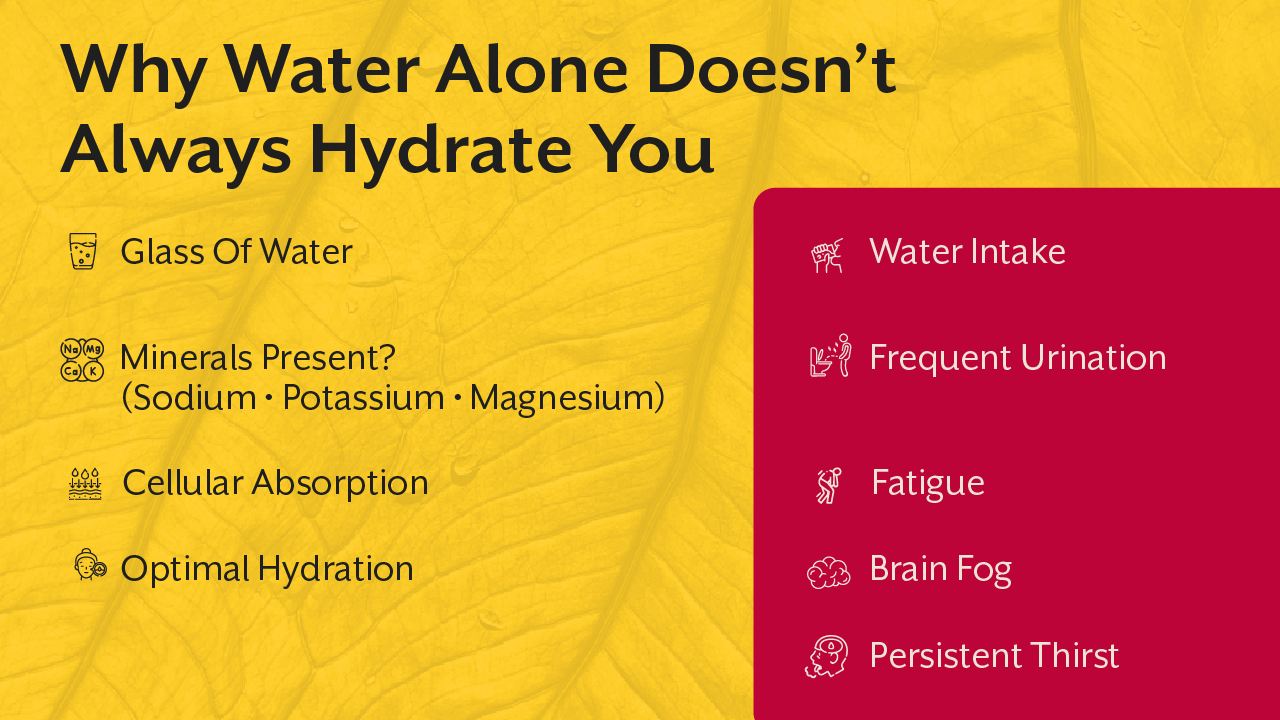
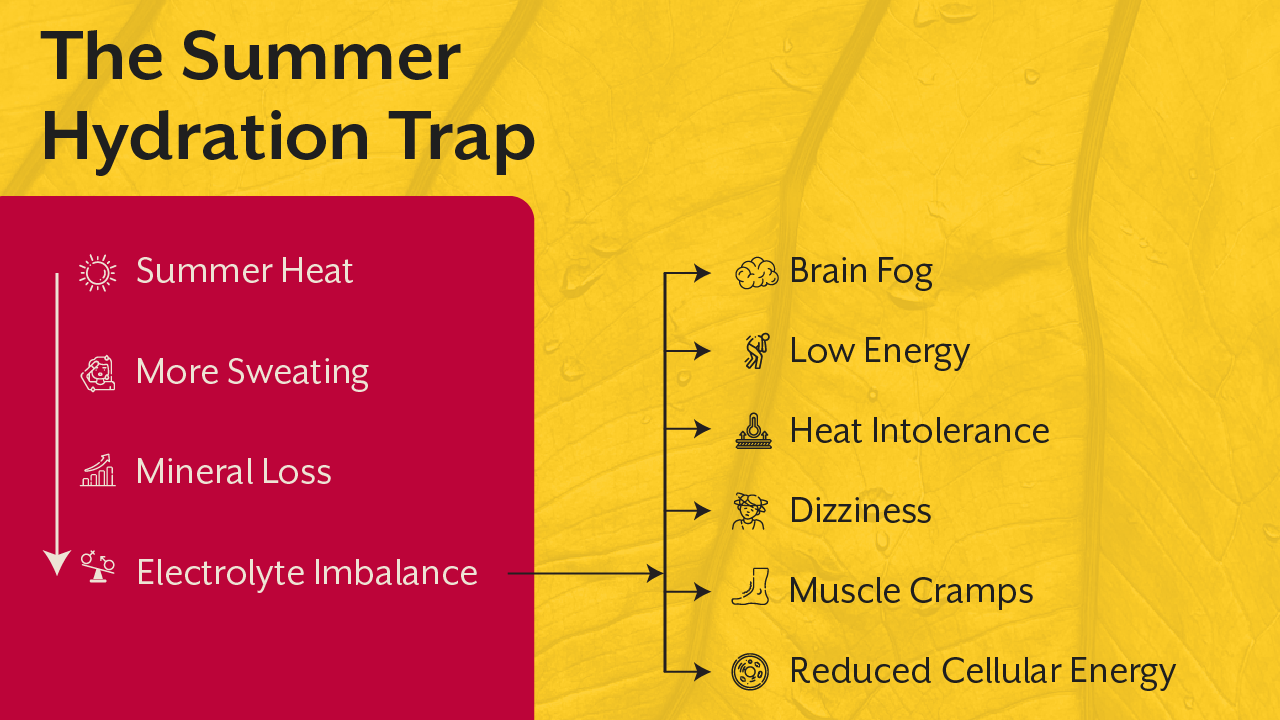
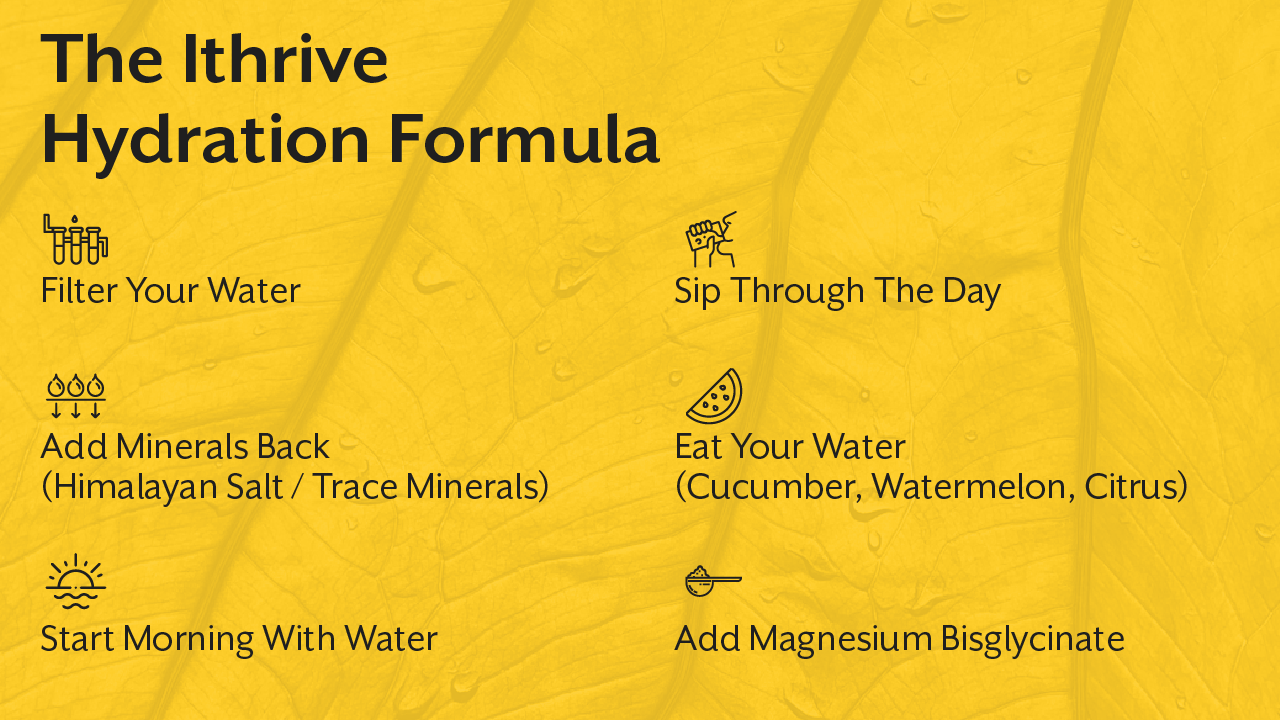
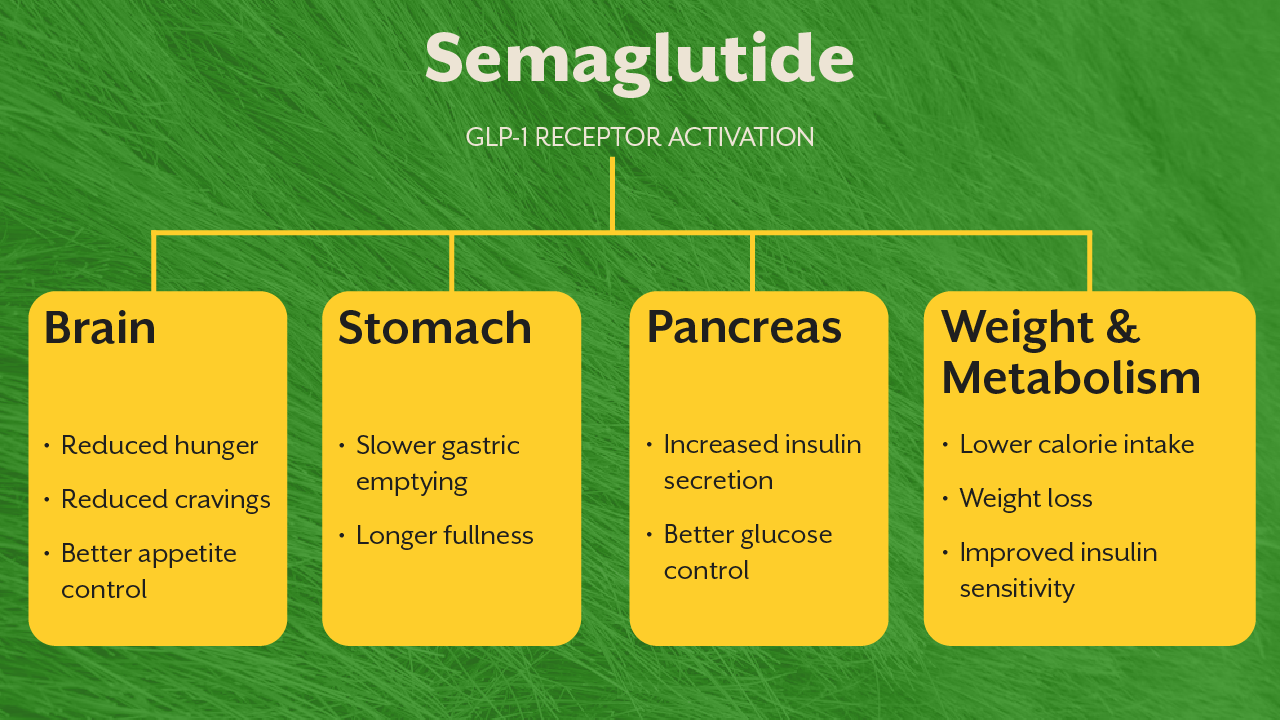
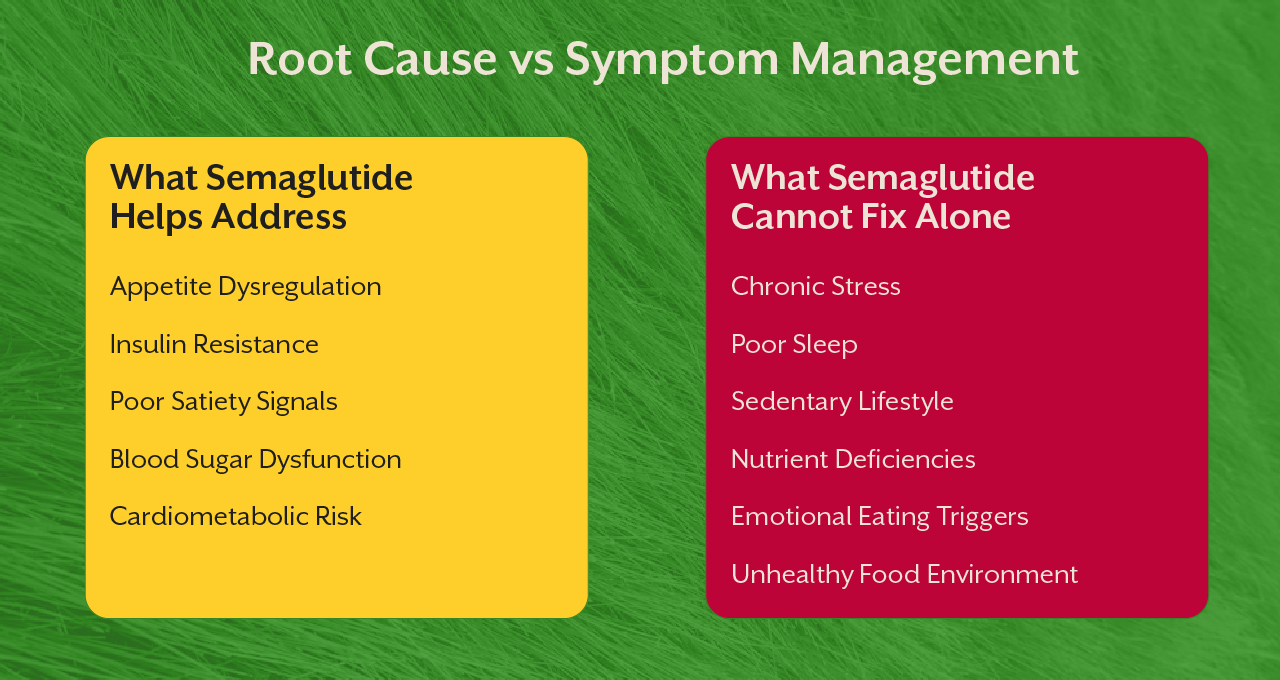
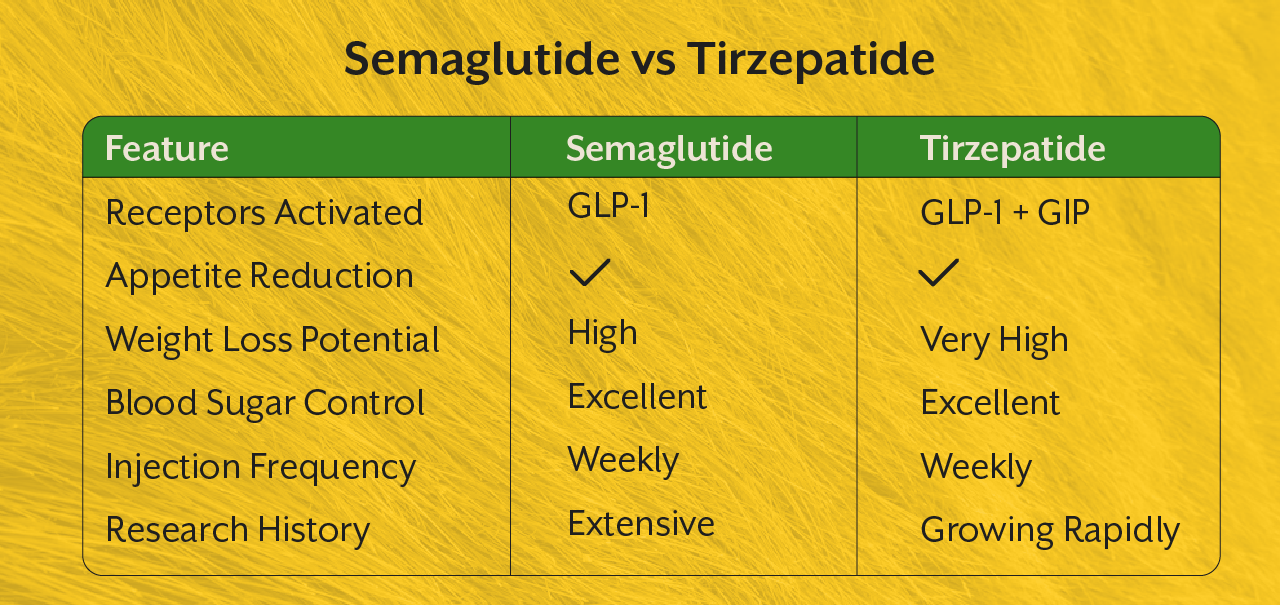
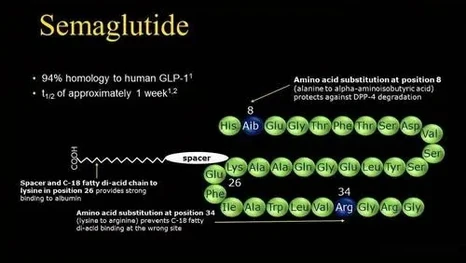

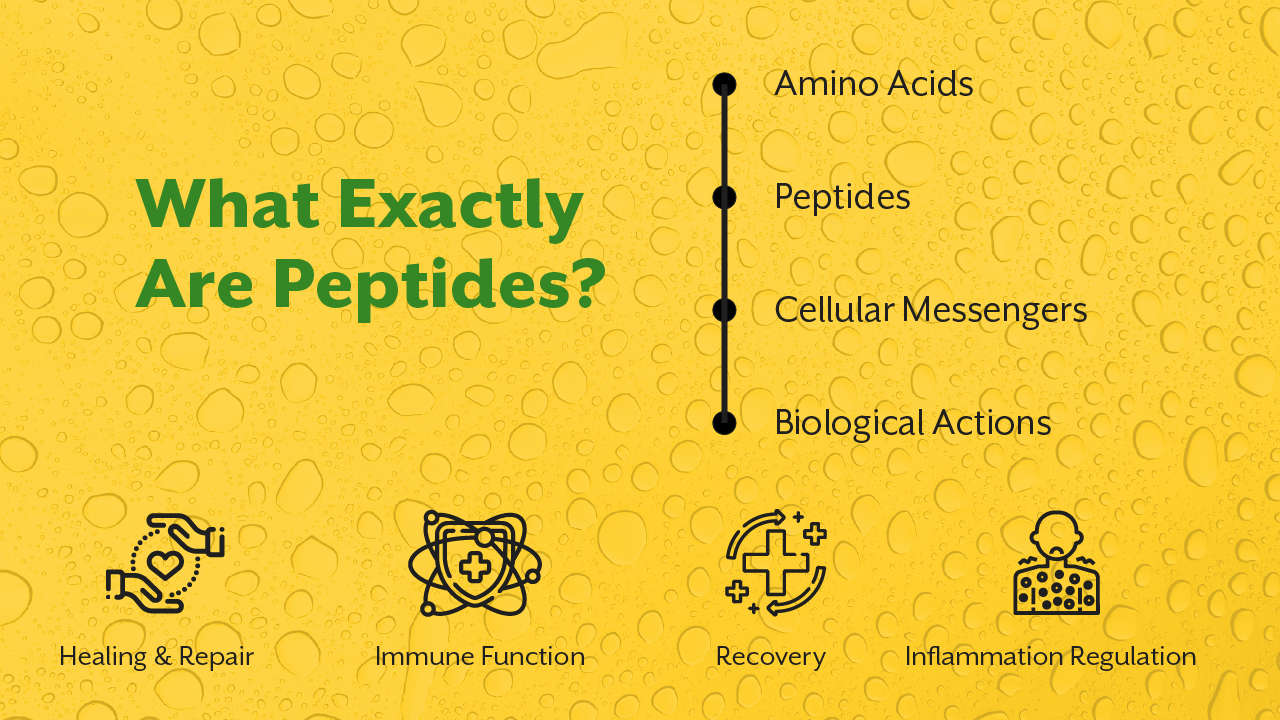
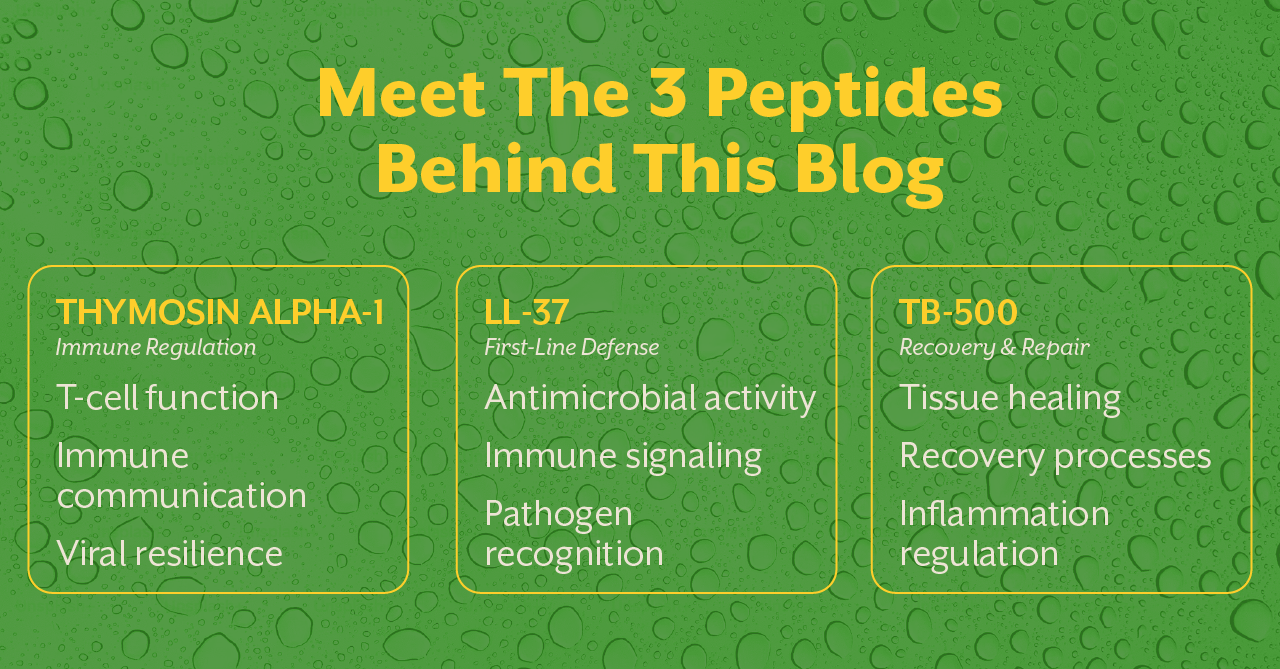
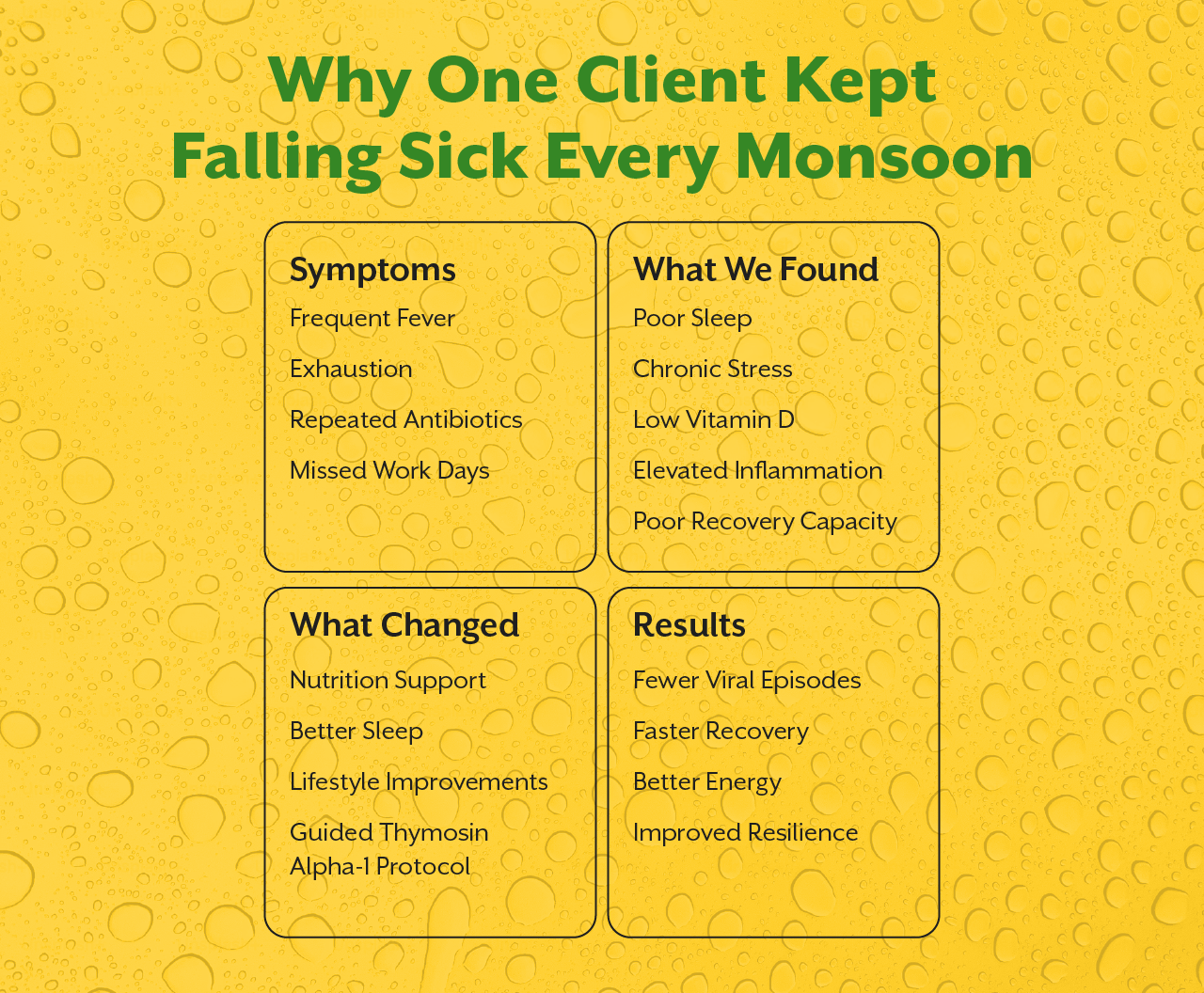
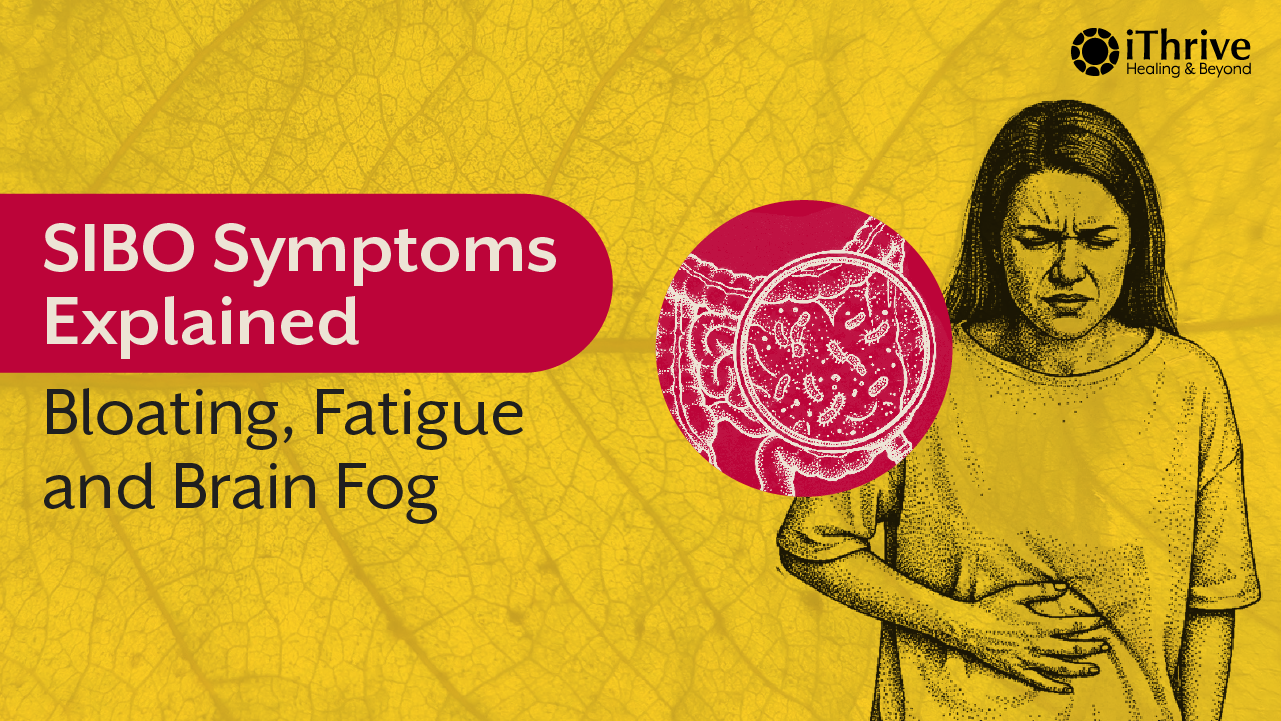
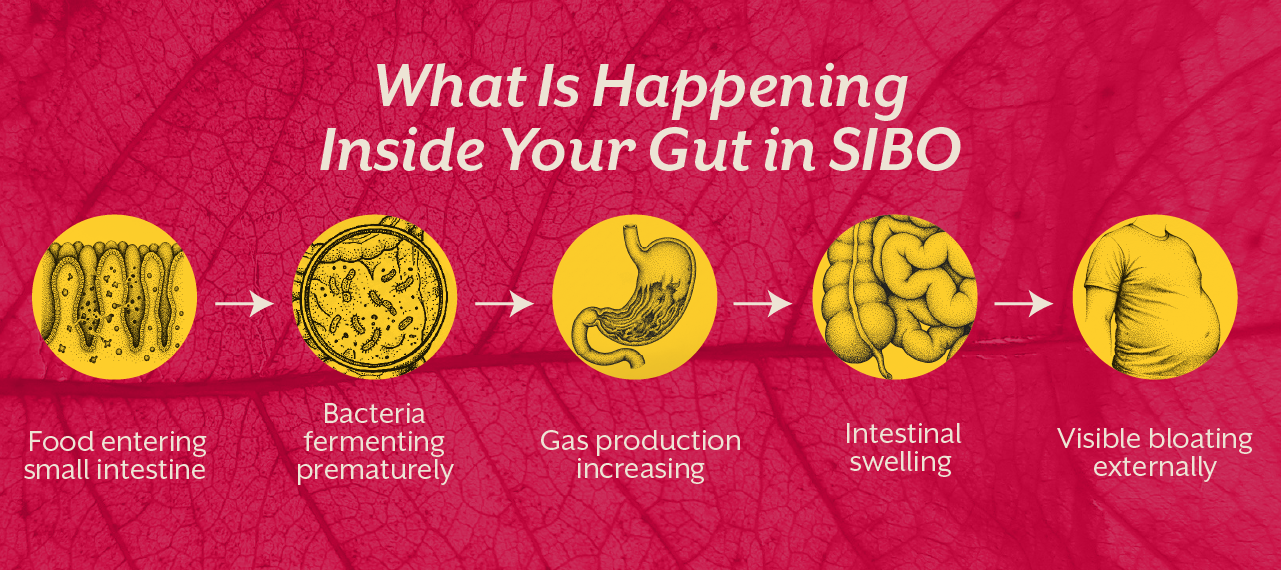
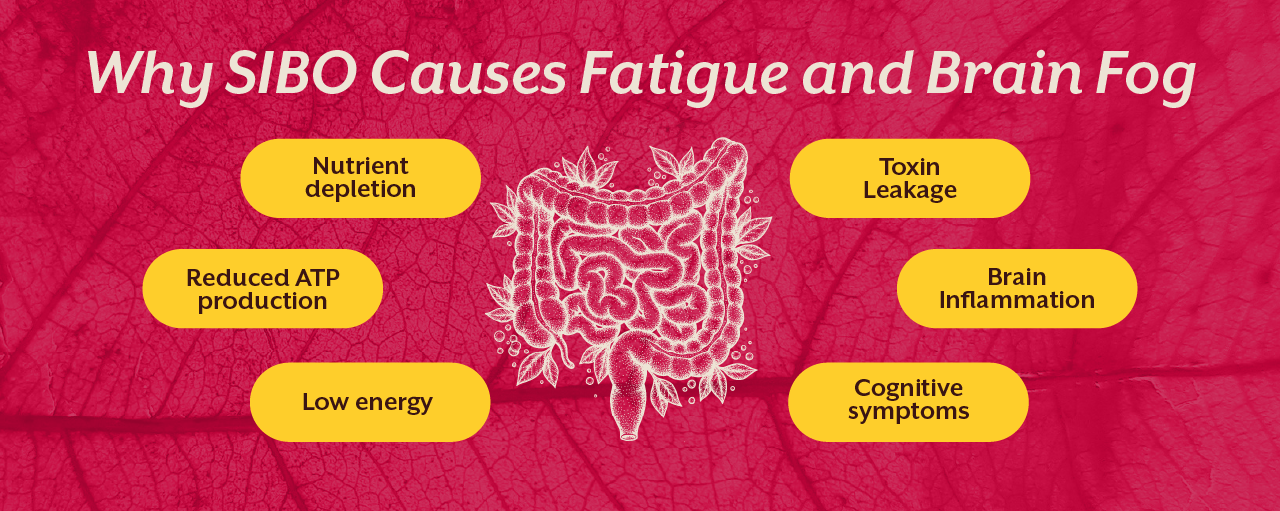

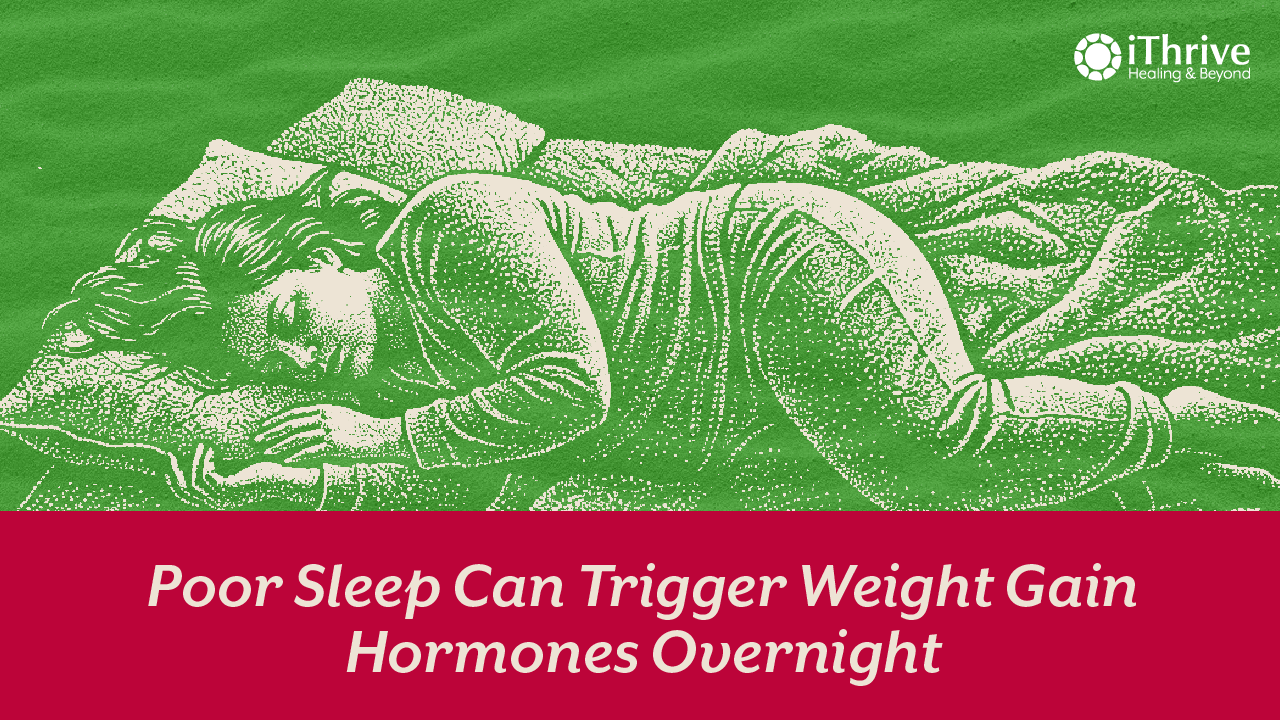
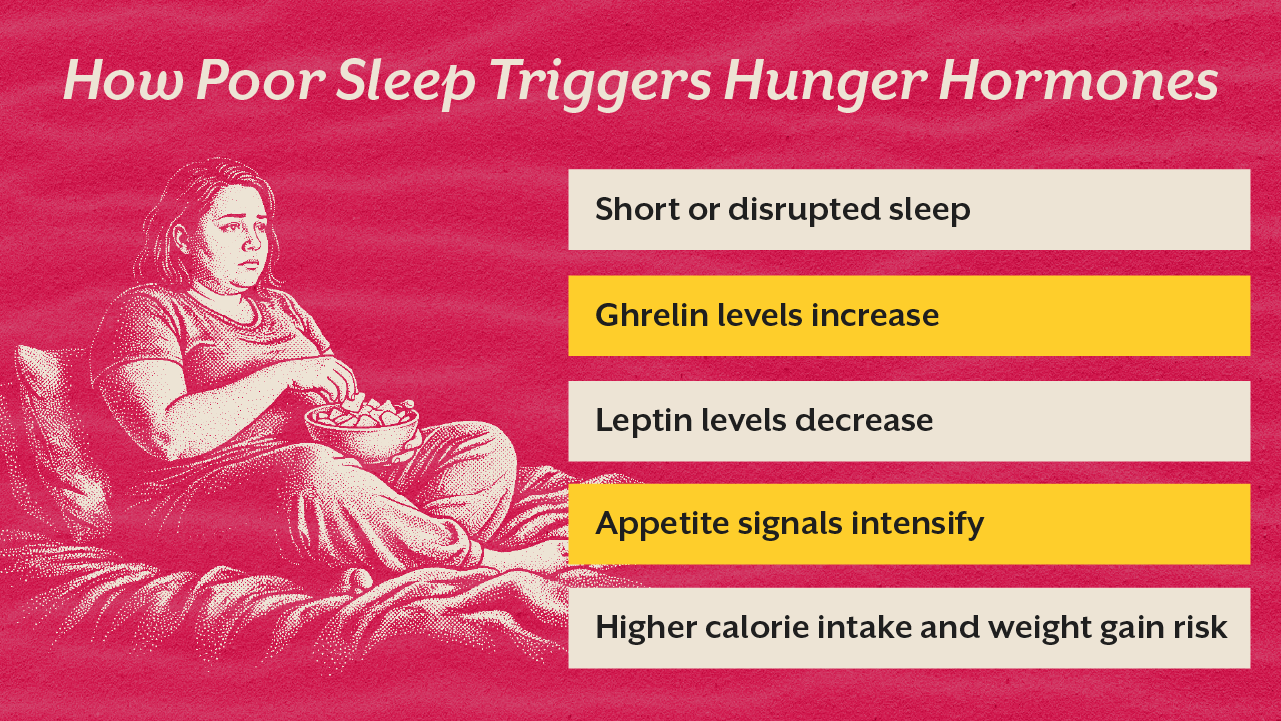
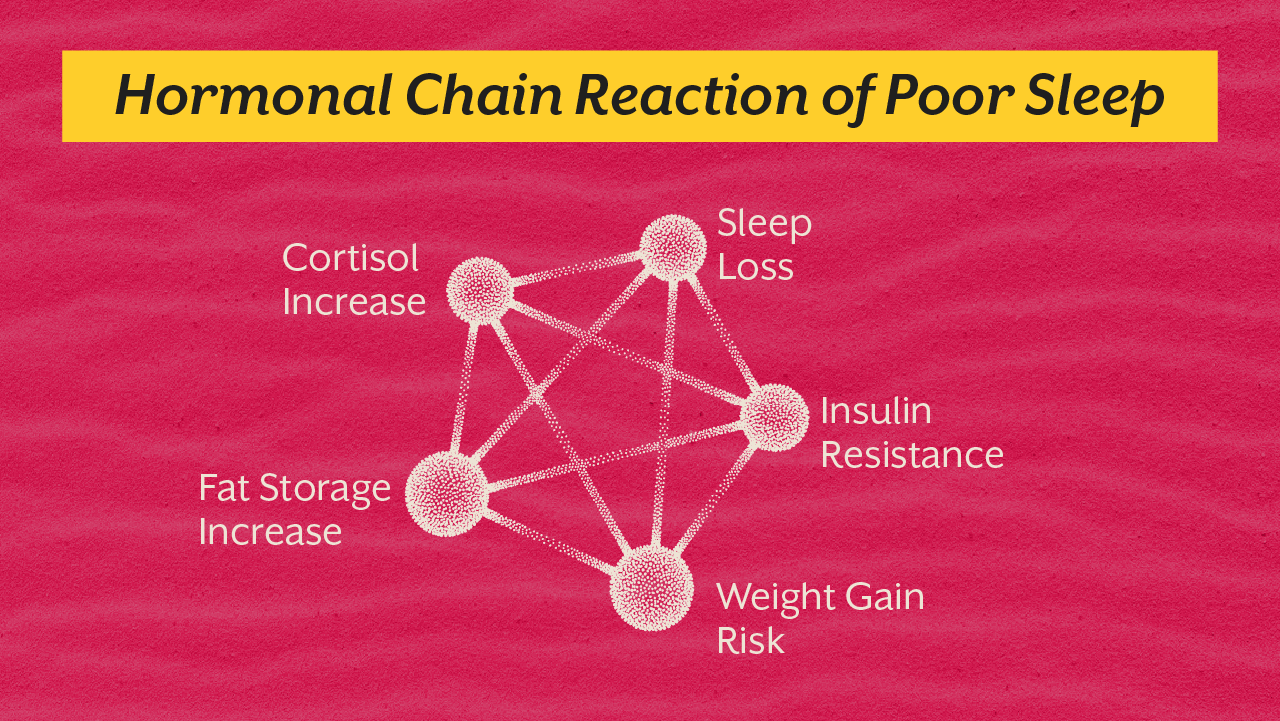
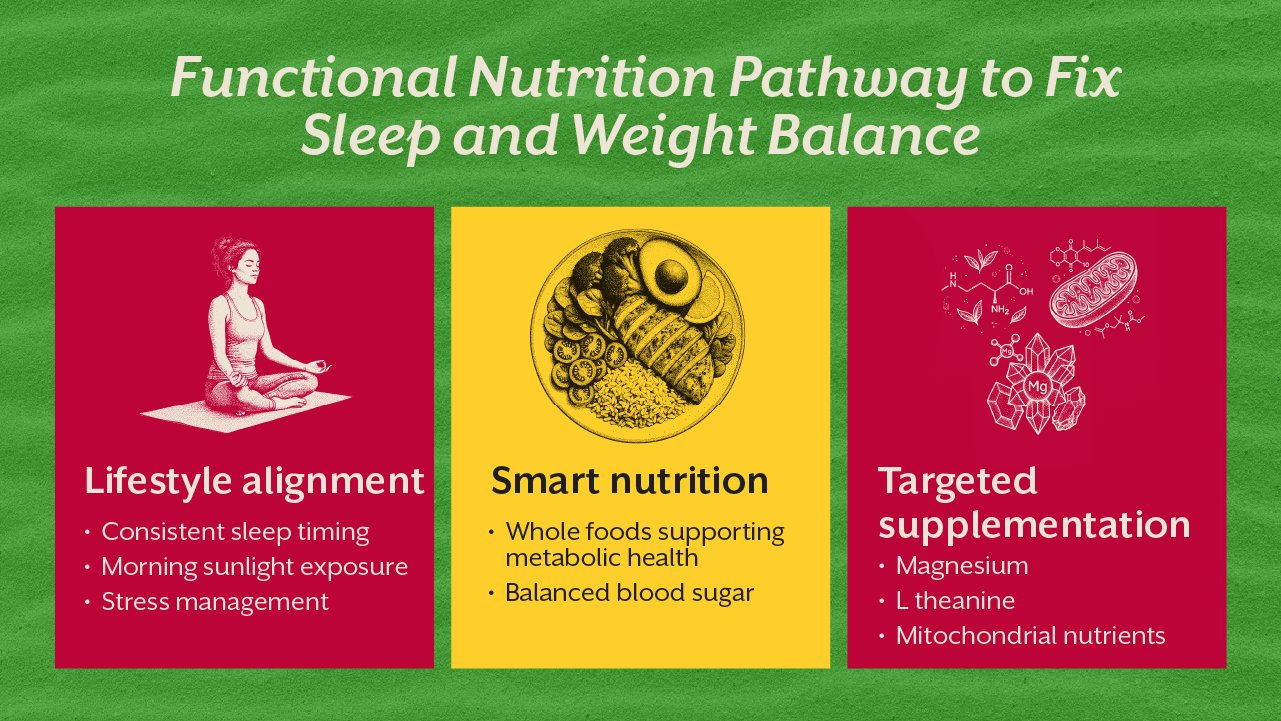
.webp)
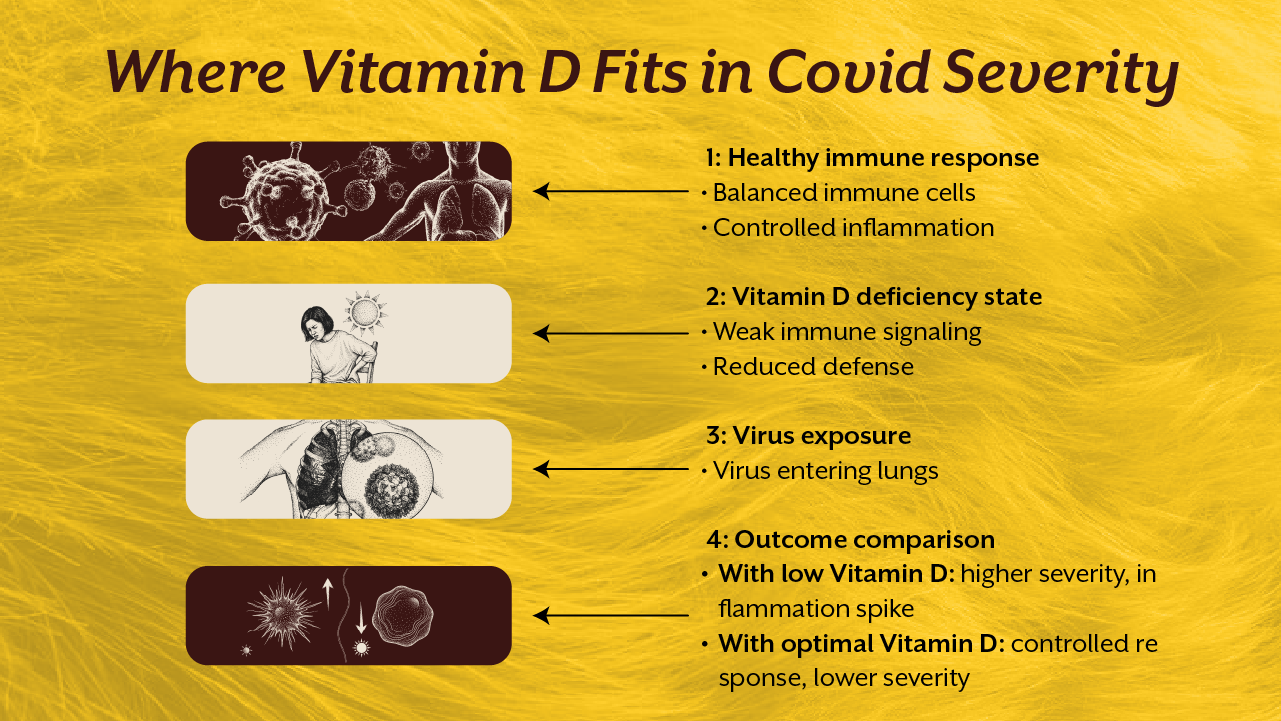
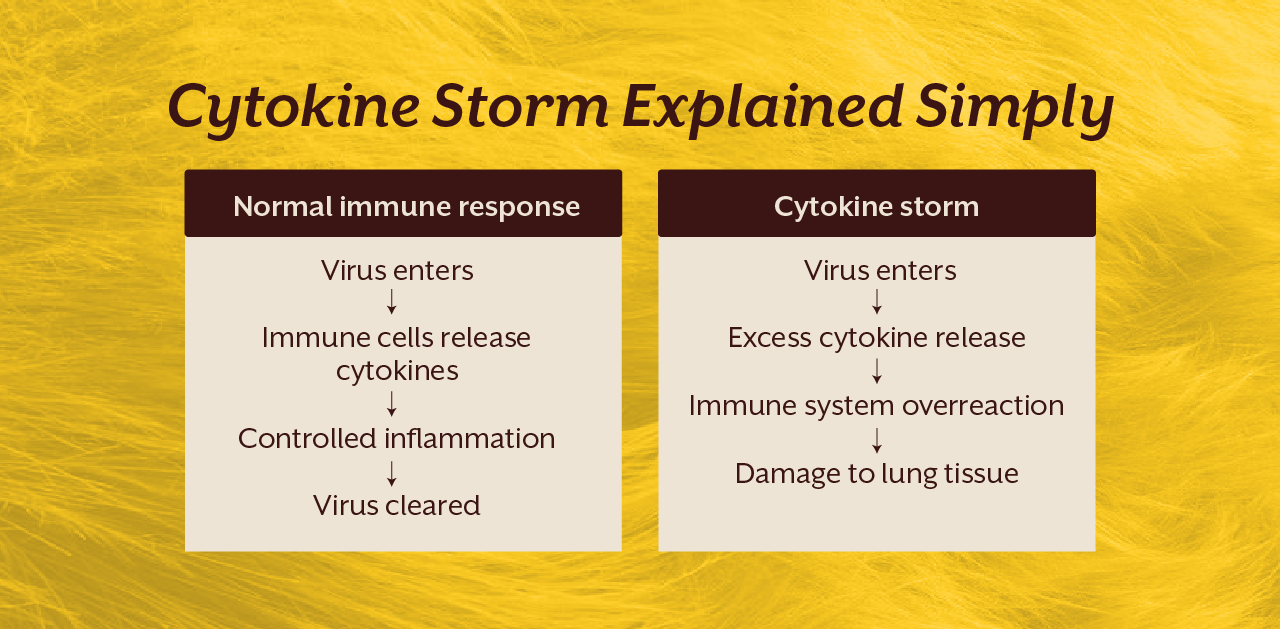
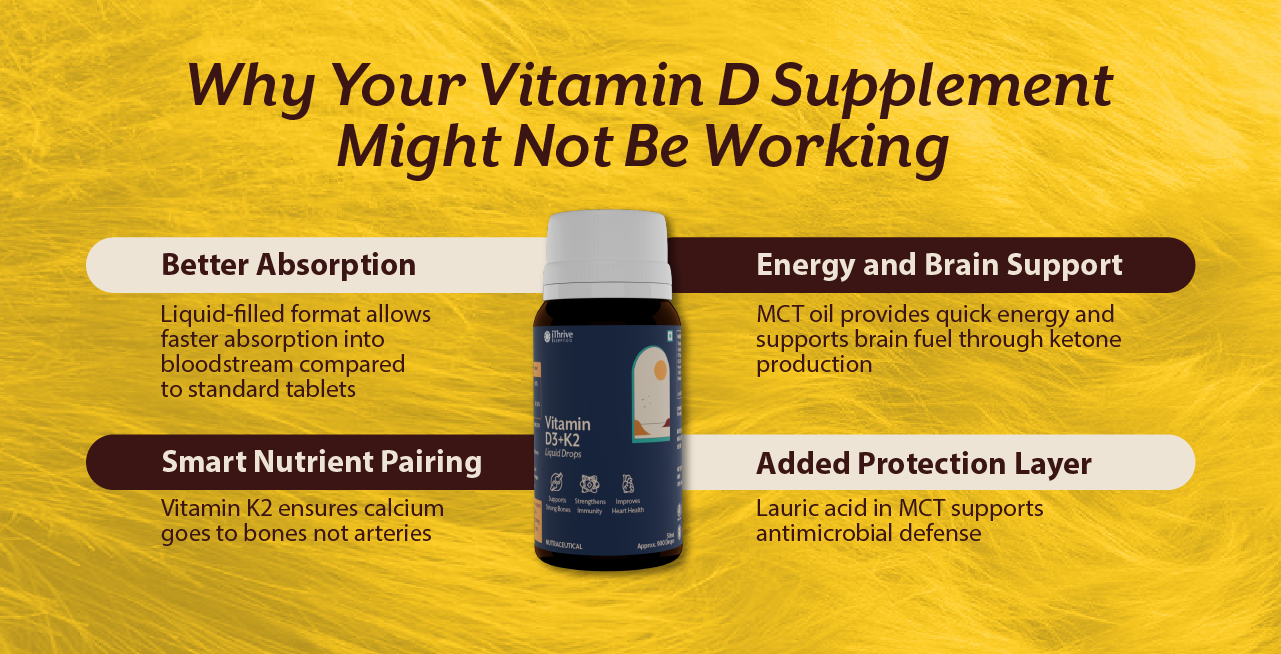
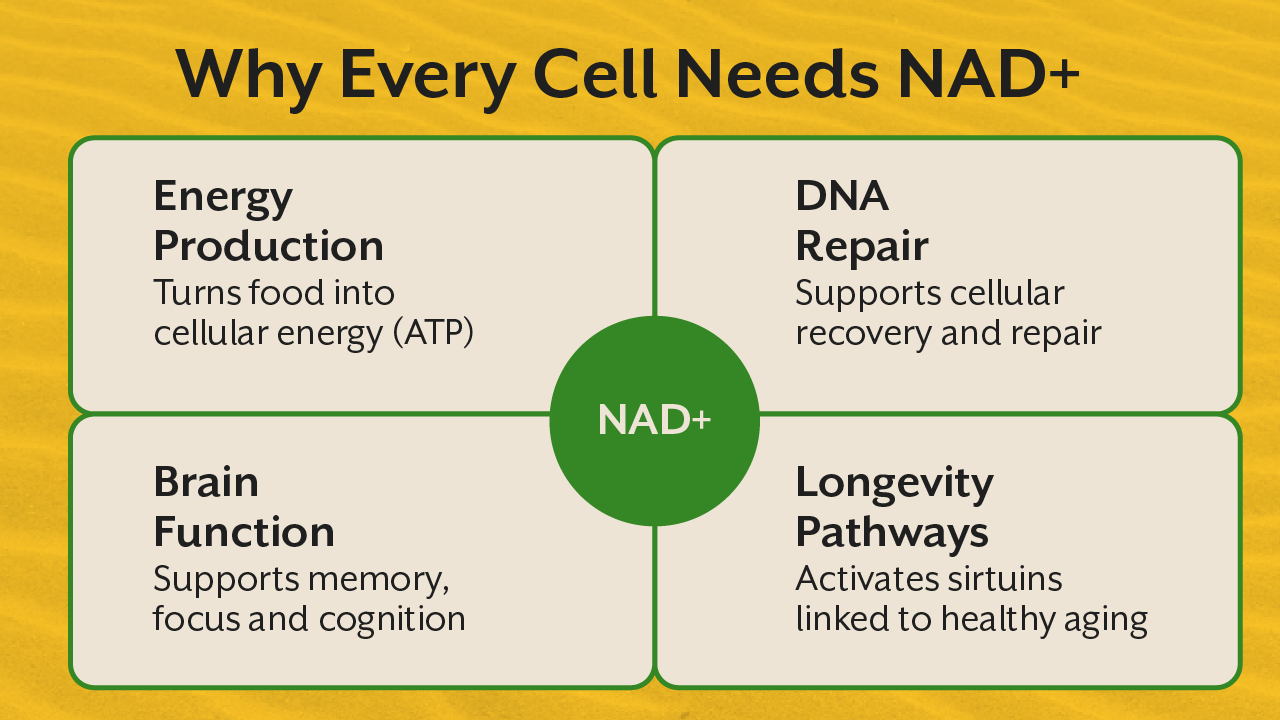
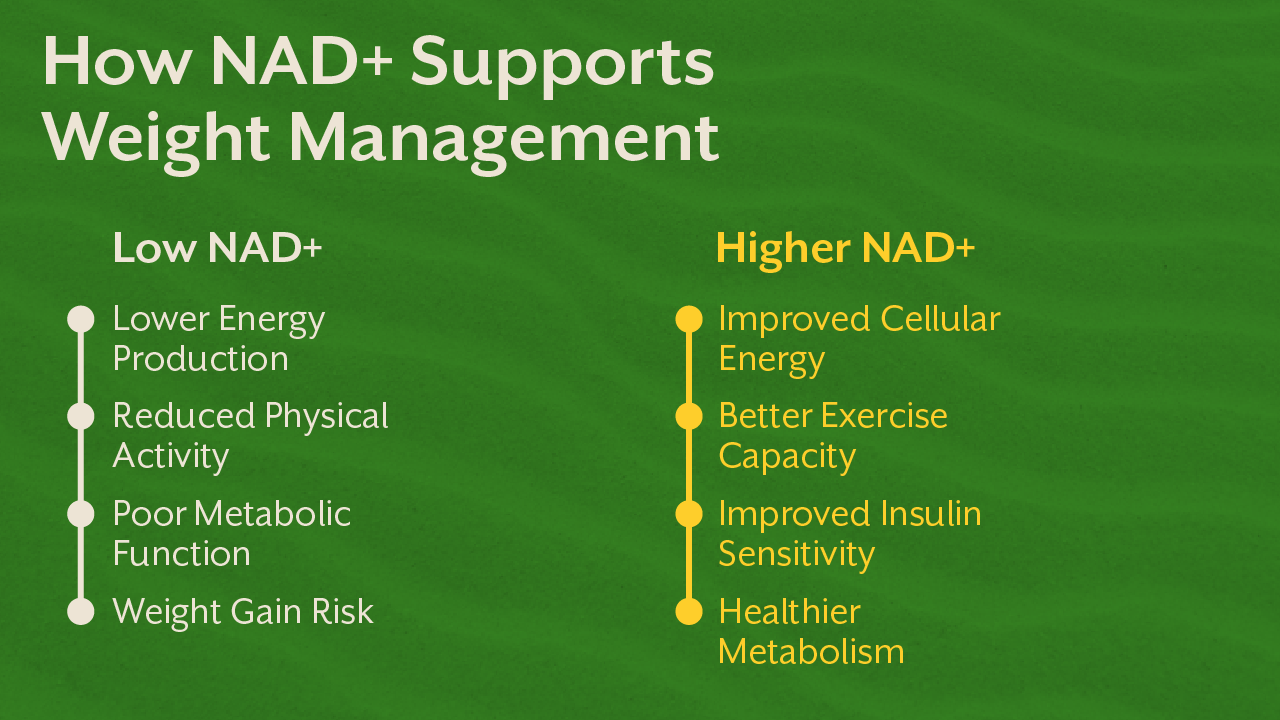
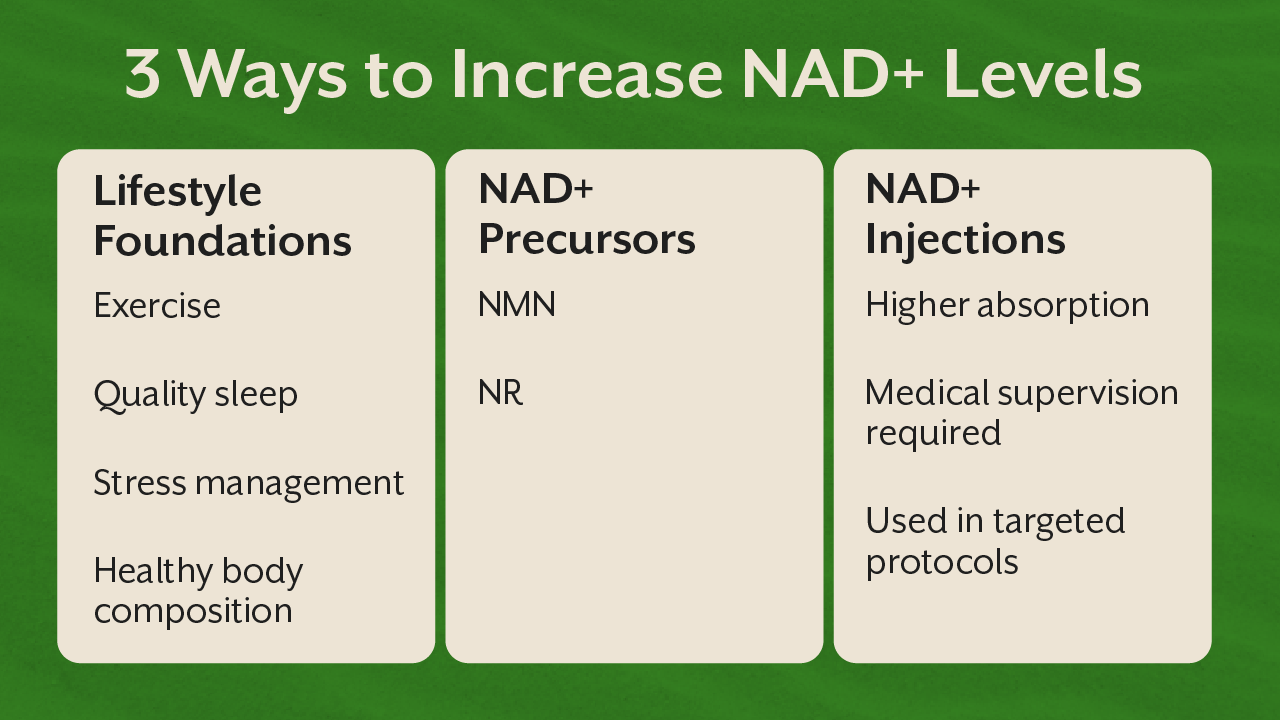
.webp)
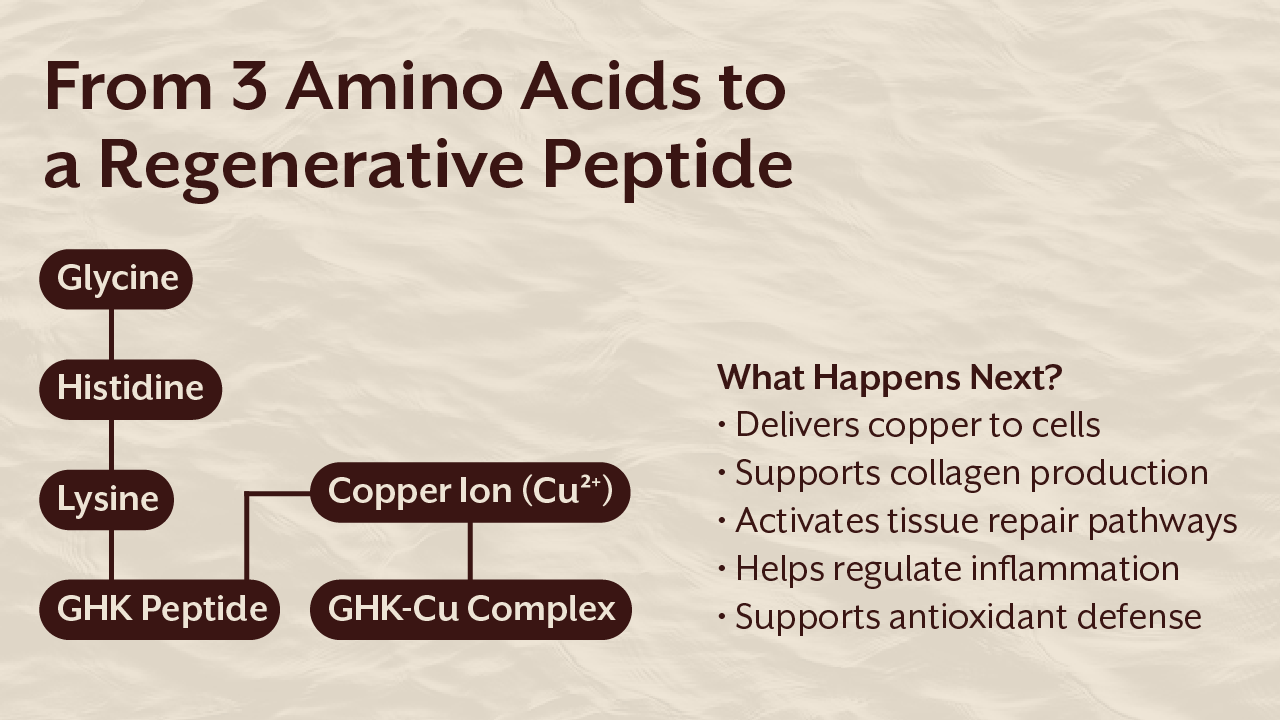
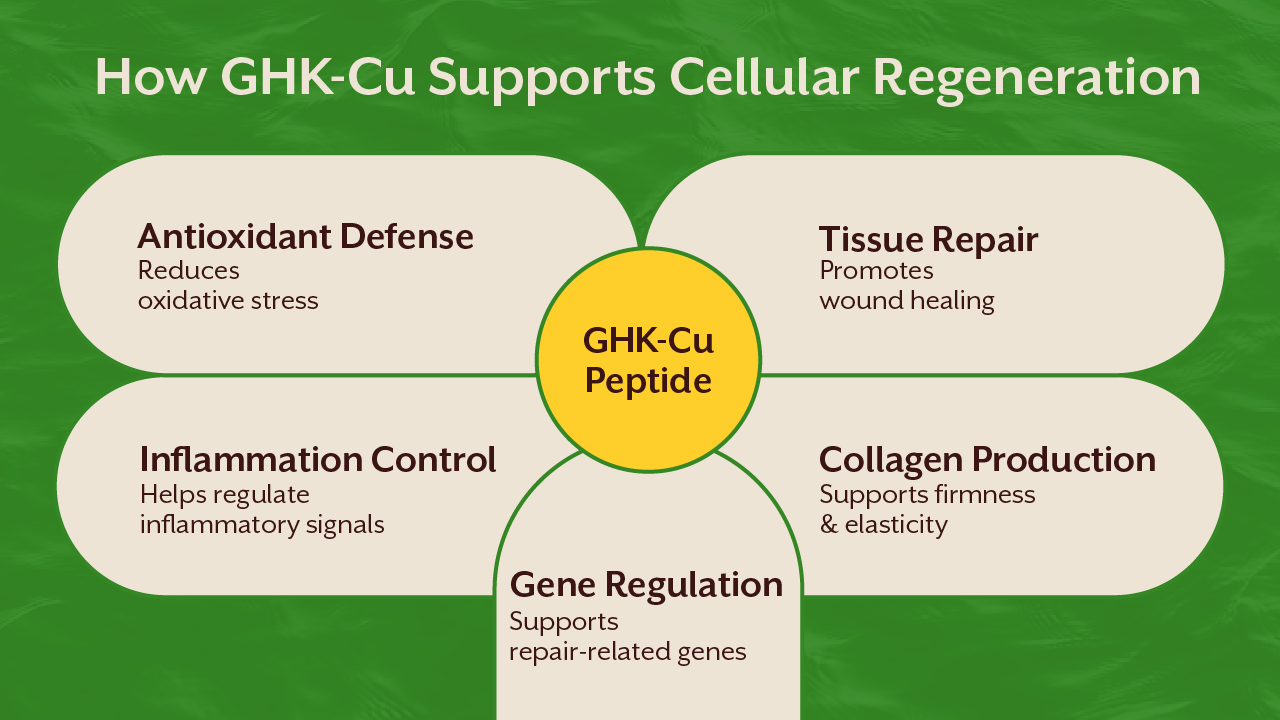












.svg)